Suburban® Brokers Inc.
201-796-1881
Monday - Friday 9:30 - 5:00
Se Habla Español
  • Home
  • About
    • Our Team
    • Kando Service Agency
  • Services
  • Homeowner
  • Business
  • Auto
  • RV
  • Claims
  • Contact
  • Blog

Protect Your Home from flooding

4/3/2024

0 Comments

 
Picture
It’s been raining on and off — mostly on — in New Jersey since early Monday with seemingly no end in sight. There is a Flood Watch in effect today through Thursday for portions of the area.   The rest of Wednesday will be wet and windy. But the rain will eventually push away from our area.

As the saying goes, “April showers bring May flowers.”

This is the time of year when we need to be vigilant about potential flooding and protect our homes. 

3 Key Steps

As you begin to think about which flood mitigation options might be the best for you and your home, consider these three key steps:
  1. Know Your Risk. Learn more details about your home’s level of flood risk, including the type of flood zone it is in.
  2. Insure Your Property. Even if your home is in a low or moderate risk flood zone, purchase a flood insurance policy is highly recommended. It provides you with financial protection from a flood event. Flood damage isn’t covered by standard homeowners’ insurance policies.
  3. Reduce Your Risk. Decide how to prepare your family and protect your home from flooding.
Picture
For additional tips and information, download the brochure from FEMA - Protect Your Home From Flooding.

Secure Your Protection Today

Insurance is one of the most critical items to consider when preparing for a flood. Remember, most flood insurance policies have a waiting period of 12 to 30 days, so don’t leave it to luck.

Reach out to us to review your flood policy and make sure you are protected. Call us at 201-796-1881.
Picture
0 Comments

Safest Vehicles for a New Car Purchase - 2024

3/4/2024

0 Comments

 
Picture
Thinking about buying a new car? Buying a car is one of the biggest purchases many people make. There are many factors to consider in choosing the right one. 

According to iSeeCars.com, January and February are typically months when the most discounts are available, while data from Edmunds.com ranks January and February among the months with the smallest discounts. Buying a car at the end of March, June, September, or December often leads to even better deals as dealerships are trying hard to reach sales goals.

Most Important Factors When Buying a Car

According to data from Statista's Global Consumer Survey, at the top of the checklist are Fuel Efficiency and Safety, followed by Low Price, Suitability for Everyday Use, High Quality, Driving Comfort, Good Warranty/Customer Service and finally Design.

Interesting that car design really isn't much of a factor when buying a new car.
Picture

Top Safety Picks for 2024

With Safety being a huge concern amongst consumers, the Insurance Institute for Highway Safety is making it hard to earn its TOP SAFETY PICK and TOP SAFETY PICK+ Awards. They followed tougher requirements this year and the winners offer the highest level of protection for both vehicle occupants and other vulnerable road users.
 
To earn the awards, a vehicle must offer good protection in a small overlap front crash, in which 25% of the vehicle’s width on either side collides with another vehicle or a stationary object. This year the driver-side and passenger-side evaluations have been combined into a single rating. The test is performed on both the driver and passenger sides, and the rating is equivalent to the lower of the two results.
Hyundai Motor Group, which includes the Genesis, Hyundai and Kia brands, has the most 2024 awards overall — six Top Safety Pick+ and 10 Top Safety Pick awards for a total of 16. Toyota Motor Corp., which includes the Toyota and Lexus brands, has the next highest total with one Top Safety Pick+ and 12 Top Safety Pick awards. Mazda earns the most Top Safety Pick+ awards of any single brand, with five, as well as one Top Safety Pick.

By class, small SUVs, midsize SUVs and midsize luxury SUVs are tied for the most Top Safety Pick+ awards, with five each. Midsize luxury SUVs, which qualify for an additional 12 Top Safety Pick awards, earn the most awards overall. Relatively few cars, pickups and minivans qualify for either award.

Whether you are purchasing a new car now, or at some point in the future, I highly recommend you check out the IIHS Award Winners. You can never be too safe when it comes to car safety.
Looking for the best insurance rates for your new or existing car? Give us a call and we can help you find the best insurance that provides the coverage you need at the right price.
 
Be safe on the roads.
Picture
0 Comments

Don’t Put Away Your Snow Shovels Yet!

2/2/2024

0 Comments

 
Picture
Punxsutawney Phil, the famous groundhog weather watcher, woke up and did not see his shadow this morning, calling for an early Spring.
 
The next few days will see warmer than normal temperatures. However, forecasters say there are strong indications that a major shift in the weather pattern could arrive about halfway through this month.

According to a recent post on NJ.com, “Big change in February weather pattern could make snow fans happy.” Check out the full article here. In addition, “Snowstorm chances to linger into March, AccuWeather’s spring forecast says.”
Extremely cold temperatures put your pipes at risk in the winter. Learn which pipes are most at risk and get tips on preventing frozen pipes.
 
Frozen pipes can present an invisible threat – one that you might not recognize until the weather starts to warm. By then, the water damage can be significant and costly.  Fortunately, keeping your home warmer, at a consistent temperature, and better insulated can help protect your pipes from freezing this winter.
What Do You Do if You Have a Frozen Pipe?

If you suspect pipes in your home have been exposed to freezing temperatures, or water is not flowing through a faucet normally, follow these steps to help reduce the potential for water damage:
  • Locate and close the main water shutoff valve as soon as possible and before temperatures rise above freezing.
  • Open all faucets including those outside to drain remaining water from pipes.
  • Have buckets, towels and fans available to contain, clean-up and dry water leaks.
  • Slowly turn water back on and inspect for leaks. If there are leaks, be prepared to turn the water off immediately.
  • Also inspect pipes for damage in areas like attics and crawl spaces, where it is safe to do so.
  • Never use torches or heat guns to facilitate thawing as these can create fire hazards.
  • As temperatures increase above freezing, watch and listen for signs of water leaks.
  • If there is pipe damage, call a licensed plumber for repairs.
Why is a Frozen Pipe a Concern?
Which Pipes Are Most at Risk?
How do you Prevent Frozen Pipes?

Check out the entire article from Travelers.  You will be glad that you did.

Winter can be harsh and demanding. Take steps now to prepare your home and ensure your family’s safety and your peace of mind.

We have been helping homeowners with insurance coverage for over 60 years. We will help you get the best coverage for your needs. Reach out to us if you would like more information at 201-796-1881.
0 Comments

7 Tips to Prepare Your Home for Winter Weather

12/13/2023

0 Comments

 
Picture
It’s that time of year again when Frosty the Snowman isn’t the only reminder of the cold weather outside!
 
Winter storms can bring cold temperatures, power failures, loss of communication services, and icy roads. To keep yourself and your loved ones safe, you should know how to prepare your home in advance.

The best defense is a good offense. Follow these 7 tips to safe safeguard your home and your family all season long, compliments of The Andover Companies.
1. Protect your pipes. This is priority number one when it comes to winterizing your home, and the time to do it is well before outdoor temperatures dip below freezing temperatures. To-dos: Drain outdoor faucets and sprinkler systems. Disconnect outdoor hoses. Insulate pipes in unheated areas of your home. Leave indoor faucets dripping in extremely cold weather.

2. Turn up the heat. Are the leaves dropping off the trees? Is it sweater weather? Now’s the time to make sure your furnace is in good running condition. To-dos: Change your furnace filter every four months (every two if you have pets). Install a programmable thermostat. Reverse the direction of your ceiling fans so they direct warm air downward.

3. Stop ice dams before they start. Ice dams occur when snowmelt freezes on the edge of your roof. If it happens repeatedly, you run the risk of roof leaks and water damage. To-dos: Clean out your gutters and downspouts. Seal around vent pipes, exhaust fans, and attic hatches. Clear soffit vents. Install snow and ice slides on your roof. Add insulation to your attic floor.

4. Check your chimney. Before you curl up by the fire this winter, check your chimney—creosote and critters have a way of building up inside it. To-dos: Have a chimney sweep and give your fireplace or wood stove a good cleaning. Keep the flue closed when you’re not using the fireplace. Install a chimney inflatable to block cold air and retain warm air.

5. Mind the gaps. Cold air can seep in from the tiniest gaps. Caulking and weather-stripping around windows and doors keep cold and condensation at bay and boost your home’s energy efficiency. To-dos: Check windows and doors and caulk or weather-strip as needed. Upgrade to double- or triple-pane windows and insulated doors or add storm windows and doors.

6. Prepare for emergencies. What’s inevitable in winter besides ice and snow? Power outages. That’s why it’s smart to have emergency supplies on hand. A family communications plan is a good idea, too. To-dos: Stock up on sand, ice melt, candles, lighters, water, canned goods, and shovels. Check the charge on your fire extinguisher. Invest in a back-up generator.

7. Check CO detectors. Each year, over 400 Americans die from accidental carbon monoxide poisoning and thousands more are hospitalized, according to the CDC. The risk of CO poisoning spikes in the winter. To-dos: Check your carbon monoxide detectors and replace batteries as needed. Never run a generator, grill, or similar device in or near your home. Keep them 20 feet from doors and windows. If your CO alarm sounds, go outside or open windows and doors.
Remember, winter can be harsh and unpredictable. Take steps now to prepare your home against storms and cold—and ensure your family’s safety and your peace of mind.

We have been helping homeowners with insurance coverage for over 60 years. We will help you get the best coverage for your needs. Reach out to us if you would like more information at 201-796-1881.
Picture
0 Comments

Top Fall Driving Tips

11/7/2023

0 Comments

 
Picture
Daylight Savings Time is another reminder that fall weather is here. Wet leaves and dashing deer are just a few of the obstacles that we need to remain cautious about here in the northeast. And fall weather can change rapidly from warm to cold, causing roads to ice overnight.

Here are some fall driving tips and advice for protecting your car:
Slippery roads
Wet leaves can be just as slick as ice. Slow down when driving over large patches of leaves and increase your distance from the car ahead of you.

Camouflaged potholes (and people)
It’s more difficult to spot potholes, road debris and the curb when leaves are strewn across the road. Slow down to avoid hitting something that could damage your car. And never drive over a large pile of leaves—kids and dogs may be playing in them.

Fire hazards
Wet leaves aren’t the only culprit. Dry leaves can ignite from the heat of your car’s exhaust system or catalytic converter. To avoid this, don’t park on a pile of leaves.

Car Damage
Remove leaves from your car, both when you are parked and before you drive. Sap and acid from the leaves can damage your paint. Leaves can get stuck beneath your windshield wipers, making them less effective. And leaves that accumulate under your car’s hood can clog air vents and impact your ventilation system.
Picture
Longer Nights
Daylight saving time ends in fall, and you may begin driving in the dark more often. Maintain a speed that allows you to stop for an obstacle at the far reaches of your headlights.

More Fog
As the air begins to cool, the chance of fog increases. When driving in fog, reduce your speed to increase your reaction time. Driving with your low-beam headlights helps you see the roadway more clearly.

Roaming Deer
You’re more likely to cross paths with deer during the fall, which is their mating season. Stay especially alert at dawn and dusk when deer are most active. If you can’t avoid hitting a deer, don’t swerve—but do brake firmly and stay in your lane.

These tips are courtesy of AAA. You can read the full article here.  The Pennsylvania Department of Transportation also provides Fall Driving Tips.
 
Be safe on the roads and reach out if you would like to review your policies or have any additional questions we can help with. 201-796-1881.
Picture
0 Comments

Flood Protection: Home Prep Tips and Safeguards

10/10/2023

0 Comments

 
Picture
Everyone is at risk of a flood. The Federal Emergency Management Agency (FEMA) says 99% of U.S. counties have had a flood since 1998. Most floods happen outside of mapped flood zones and 25% of claims happen outside of high-risk areas.

You can minimize your risk with knowledge and preparation. Learn about different flood risks, ways to protect your belongings and how to select the best coverage for you.

Who Needs Flood Insurance?

Standard home and renters’ insurance doesn’t cover damages caused by a flood. You’ll need a separate policy for that. Flood insurance covers flood damage to your home, personal belongings, and other structures on your property.

Renters and condo owners need flood insurance, too. Your building owner might have flood protection, but it only covers their building and rebuilding costs. It won’t help you replace your things. Condo and renters flood policies are inexpensive since they don’t cover rebuilding.

Know What Flood Policies Cover

A growing mix of private insurance options and federally funded policies are available. Flood insurance coverage can get tricky. Government-backed policies like the National Flood Insurance Program (NFIP) and private flood insurance providers have their pros and cons.

Picture
As noted above, vehicles aren’t covered under flood insurance. You’ll need a comprehensive auto policy for that.

Protect Your Property and Belongings

Regardless of your home’s flood rating, you should safeguard your property and belongings.
  • Protect in-home electrical and climate systems 
  • Elevate outdoor equipment
  • Modify water valves
  • Inspect the perimeter
  • Clean gutters, downspouts and drains
  • Elevate storage items
  • Fight soil erosion using landscaping
  • Create barriers

Safeguard Essential Documents 

Most people think about property damage during a flood. But you must also consider other risks, like damage to essential and hard-to-replace items. FEMA recommends keeping essentials in a grab-and-go bag if you need to leave in a hurry. Examples include:
  • Prescriptions — Gather essential medicines, medical equipment, batteries, eyeglasses, hearing aids and other necessary medical items.
  • Critical documents — Assemble hard and electronic copies of birth certificates, Social Security cards, passports, and other crucial documents. Organize your information into a digital wallet or secure cloud storage.
  • Personal needs — Gather food, water, first-aid kits, cash, and phone chargers.
  • Priceless items — Place irreplaceable mementos and other valuables like photo albums and keepsakes out of reach of floodwaters. Use waterproof plastic bags.
  • Pets — Have a plan for your pets, including food, medications, identification tags and immunization records. Pack an extra leash and collar (even if they usually don’t wear one) so you can safely remove your pet no matter where you are. Research pet-friendly establishments beforehand so you’ll know where to go in an emergency.
  • Home inventory — Create and store a home inventory online. Include pictures, receipts, and warranty information for your belongings. If you submit a claim, you’ll need proof you owned these things.

Secure Your Protection Today

Insurance is one of the most critical items to consider when preparing for a flood. Remember, most flood insurance policies have a waiting period of 12 to 30 days, so don’t leave it to luck.

Reach out to us to review your flood policy and make sure you are protected.
Picture
0 Comments

Improve Your Gas Mileage

9/6/2023

0 Comments

 
Picture
Rising gas prices are a great reason for reflecting on your driving patterns and maintenance of your automobile. Did you know that you can improve the efficiency of your car and improve your gas mileage?

Here are 5 easy steps that you can take to extend your gas budget as best as possible.


  1. Perform regular tune-ups
    Fuel efficiency is affected by dirty motor oil; spark plugs and air filters.  Regular maintenance produces fewer greenhouse gas emissions and helps your vehicle run at peak performance.
  2. Drive at a steady speed within the speed limit
    Your car loses fuel efficiency the faster you go. Speedy acceleration and rapidly breaking consume fuel. Cruise control is your best friend when it comes to the gas in your tank!
  3. Reduce idling
    Idling uses more fuel than restarting your car. If you are waiting for someone, in a school pick up line, or at a drawbridge, think about turning off the engine.
  4. Reduce your load
    Removing excess weight in and on top of your vehicle can reduce your fuel consumption. Remove sports equipment, backpacks, books, roof racks, cargo boxes, bike racks, etc. It all adds up. Rear-mounted cargo boxes are more efficient than roof-mounted ones.
  5. Inspect your tire pressure
    Underinflated tires increase fuel consumption by around 3%. Your owner’s manual or the driver door lists the correct PSI for your tires. Check them regularly.
Now that you’re saving money and your car is running at optimum efficiency, let us know how we can help you get the best coverage for your needs. Reach out to us if you would like more information at 201-796-1881.
Picture
0 Comments

Preparing to Move

8/7/2023

1 Comment

 
Picture
Yikes! I brought it up. Moving. I don’t know anyone that “likes” to move. In fact, moving is one of the most stressful changes in everyone’s life. You have become familiar with your current place and a new place can be terrifying. You also become anxious about planning the move and settling into your new place.

Breathe deep. We have some great information for you!
This time of year there are college graduates moving out of their college place and into an adult apartment.  If you are that college graduate or the parent of the graduate, this article from The Foremost Creative Team is spot on with advice to help you prepare for the move, teach you effective and time-saving hacks for packing, help you organize the moving-out process, and get you ready to move into your new place. It’s great advice for anyone planning a move!
 
Here are some of the helpful tips from the article:
  • Change over utilities
  • Acquire packing supplies
  • Notify important parties
  • Set up mail forwarding
  • Sort and purge
  • Organize school records for any children
  • Take measurements of your new home
  • Highly consider requesting time off from work
  • Empty, clean, and defrost the freezer
 
Take the time to read the full article here. You will be glad you did! At the end of the article there are additional blogs for “Packing your Memories,” “Movin’ on Out,” and “Moving In-Tips.”
 
We have been helping homeowners with insurance coverage for over 60 years. We will help you get the best coverage for your needs and help you get through the move.
 
Do you have any moving experiences you want to share? Feel free to comment below.
Picture
1 Comment

Pool Safety – Protect your Family and Your Guests!

7/5/2023

1 Comment

 
Picture
Last month we talked about how boating can pose serious risks when you’re out on the water and understanding the importance of potential liabilities common with risks associated with boating.
 
As we continue with summer adventures, we want to remind you to be safe in and around the pool. Did you know that having proper pool safety measures can impact your insurance coverage while protecting you?

Know your local pool laws. Each town has its own definition of what constitutes a “home pool,” often based on its size and the depth of the water. Contact your municipality to learn the local standards and relevant safety and building codes to which you must adhere. These may include installing a certain size fence, locks, decks, and pool safety equipment.
Pool Safety Tips:
  • Create a barrier around your pool. Consider several layers of security (locks, alarms) to protect the pool area when not in use.
  • Always supervise children.
  • Do not allow anyone to use the pool alone.
  • Keep lifesaving tools nearby (life jackets, poles).
  • Learn CPR (have other swimmers trained in CPR).
  • Inspect your pool for hazards or maintenance concerns.

Insurance Tips:
  • Ensure that your policy covers pool liability and potential injuries or accidents that may occur on your property.
  • Understand your policy’s coverage limits and consider additional coverage.
  • Consider an umbrella liability policy which provides additional liability protection over and above what you already have on your home. 
  • According to the Insurance Information Institute, pool owners should consider increasing the liability portion of their policy to at least $300,000 or $500,000, more if your assets warrant it.
  • Installing safety measures (like fences or alarms) may also help reduce insurance premiums.
At Suburban Brokers, we’re here to make certain that you have the right insurance coverage to protect your pool, your home, your family, and your loved ones. Reach out to us if you would like more information at 201-796-1881.
 
So, put safety first and dive into the summer with a splash!
Picture
1 Comment

Get Ready for Boating Season!

6/16/2023

1 Comment

 
Picture
With the official start of summer just around the corner, consumers are firing up their boat engines to enjoy life on the water, beach, or the lake. It's a great time to take in the beautiful scenery, making the most of the great weather, fishing, swimming, and even just relaxing.

However, boating can pose serious risks when you're on the water. Boating risks include drowning, crashing, electric shocks, other injuries such as slipping and falling, and being caught in hazardous weather.
It’s important to understand insurance for boats and personal watercrafts and the implications associated with boating. Liability claims are common risks associated with boating. Understanding these risks can be essential for boat owners to adequately protect themselves, their passengers, and their investment. While boat insurance is only mandated in a few states, lenders and marinas typically require coverage for liability and physical damage. Specific coverages vary. Here are a few key coverages to consider.
·        Liability coverage
·        Physical damage coverage
·        Uninsured watercraft coverage
·        Medical payments coverage
·        Personal effects coverage
·        Towing and assistance coverage
Picture
Always proceed with caution. Operating a boat is a serious responsibility.

If you have a boat or are thinking about buying a boat, talk to us about insurance. We will walk you through your options to help you select the coverage you need.

With peace of mind while practicing boating safely, have a wonderful time on the water!

For more information about recreational vehicle insurance, visit our website.
1 Comment

Prepare for Hurricane Season NOW!

5/12/2023

0 Comments

 
Hurricane Ian
Hurricane Ian is the most recent reminder that it takes just one hurricane to cause widespread damage. The storm was responsible for $112.9 billion in damage, according to the National Oceanic and Atmospheric Administration.
 
The best time to prepare for a hurricane is before hurricane season begins on June 1. It is vital to understand your home's vulnerability to storm surge, flooding, and wind. Homeowners need to take a proactive approach to mitigate the risks associated with storms.
Hurricane Season Infographic
Don’t wait until after you have a loss to check your insurance—review your homeowners or renters’ policies to be certain you have the right coverage in the event you're hit with a destructive storm.

This hurricane season insurance checklist can help you understand your coverage and whether it’s adequate to repair or rebuild your home, if necessary, and replace your belongings. Most importantly, know that we are here for you, and we are happy to review your policy with you to ensure that you are structurally and financially prepared.

This Infographic from The Insurance Information Institute will provide you with 10 tips to protect your home and finances when storms blow into town.
 
Additional resources covering What to do Before a Tropical Storm or Hurricane, are provided by the National Weather Service. They have multiple checklists and free resources to assist you as well as How to Prepare for Hurricane Season from the Insurance Information Institute.

More resources for Hurricane Preparedness include:
National Oceanic and Atmospheric Administration
Tidal Basin
Insurance Information Institute
State of New Jersey Department of Health – Hurricane Readiness
 
Making insurance decisions can be complicated. Our agents are here to find the policy that is right for you. Whether it's homeowners, car insurance, business, life or health or any other insurance you may need, Suburban can find the best solution for you. Give us a call at 201-796-1881.
Picture
0 Comments

April is Distracted Driving Awareness Month

4/3/2023

0 Comments

 
distracted driving
According to the National Highway Traffic Safety Administration, distracted driving has become a deadly epidemic on our roads. Cell phone use — specifically, texting, talking, and social media use — has become the most common distraction.

Other risky actions include adjusting the radio or GPS, applying makeup, eating and drinking. By driving distracted, you’re robbing yourself of seconds that you may need to avoid a close call or deadly crash.

Travelers recently released the results of their 2023 Risk Index for Consumers.
Travelers Risk Index
Travelers Insurance - 10 Tips to Reduce Distracted Driving
  1. Stow your phone. Turning off the phone and putting it in “do not disturb” mode can help remove the temptation to browse online at a red light or respond right away to a text message.
  2. Vow not to multi-task. Anything that occupies your mind or vision can be a distraction behind the wheel. Make time at home to eat meals or put on makeup, so you can focus on the road.
  3. Don’t be a distraction. Avoid calling or texting family members and friends when you know they are driving to avoid distracting them.
  4. Talk to your employer. Responding to texts or taking calls for work while driving can be dangerous. Encourage your employer to have a distracted driving policy that includes waiting to talk with employees until they are safely parked.
  5. Keep kids and pets safe. Make sure kids are in proper car seats and that pets stay secured in their zone in the back of your vehicle. It can also help reduce distractions if pets are not roaming about the car.
  6. Set a good example. Parents can model good behavior for their children by demonstrating attentive driving. Avoid texting, eating, grooming or calling someone while behind the wheel.
  7. Plan your route before you go. Programming your navigation system while you drive can take your eyes off the road. It’s better to ask a passenger to do it or to enter your destination before you leave home.
  8. Speak up. If you see someone texting or otherwise driving while distracted, say something and let them know that you are not comfortable with that behavior. Encourage your children to do the same when they are passengers in a friend’s car. It could save a life.
  9. Set rules of the road. Consider restricting the number of passengers until your teen or new driver gains experience behind the wheel.
  10. Avoiding reaching. Resist the urge to reach for items if they fall while driving.
Share these tips to help keep others safe. For more on ways to reduce distracted driving, check out Every Second Matters, Travelers’ conversation starter on reducing distracted driving risk.
 
As always, Suburban is here to assist you with all your insurance needs. Give us a call if we can help at 201-796-1881.
Picture
0 Comments

Travelers Expands COVID-19 Billing Relief for Customers

3/27/2020

0 Comments


Billing Relief for US Customers

Picture
Travelers understands that many individuals and businesses are facing a significant financial burden due to COVID-19. To help ease that burden, Travelers is expanding billing relief for all U.S. customers across Business Insurance, Bond & Specialty Insurance and Personal Insurance.
 
Effective immediately, they are suspending cancellation and nonrenewal of coverage due to nonpayment through May 15, 2020. They will not charge interest, late fees or penalties during this period, providing policyholders extra time to pay their premiums without risking cancellation.

We encourage you to visit their dedicated COVID-19 site on Travelers.com where you can find details on this billing relief plan and a helpful FAQ section.
 
You may also contact a Travelers billing representative, who can help answer any questions.
 
•For U.S. Personal Insurance, call 1-800-842-5075.
 
•For U.S. Business Insurance and Bond & Specialty Insurance, call 1-800-252-2268.
Click here to go directly to Travelers for more information.
As always, Suburban is here to assist you with all of your insurance needs. Give us a call if we can help at 201-796-1881.
Picture
0 Comments

Is your insurance protection up to par?

2/7/2020

0 Comments

 
Picture
With Valentine’s Day coming up and Christmas and New Year’s just passed, now is a good time to insure the gifts you received from loved ones.
​
Does your homeowners policy fully protect your expensive items?

You may think that a homeowners insurance policy provides adequate coverage for all of your valuables, but policies may provide limited or no coverage for certain items – including generally expensive items – that are damaged or stolen.
From Travelers: 5 Tips to Protect Your Possessions​
  1. Read Your Insurance Policy
  2. Have Your Valuables Appraised
  3. Create a Home Inventory
  4. Check Your Neighborhood's Crime Rate
  5. Take Stock of Your Electronic Equipment
Learn More

Jewelry and Valuable Items Insurance
Picture
From jewelry to collectibles, you might have more valuables than you realize. It’s time to rethink your coverage.
  • Does Homeowners Insurance Cover Jewelry and Valuable Items?
  • Does Homeowners Insurance Cover Engagement Rings and Wedding Rings?
  • How to Add Engagement Ring Insurance or Wedding Ring Insurance
  • What Does Jewelry Insurance Cover?
  • How to Insurance Jewelry and Other Valuable Items with Travelers

Learn More

Safeguard Your Personal Valuables
Your need to insure valuable items is something we can help you with. If you purchase additional coverage for high-cost items, it is a good idea to understand its limits and exclusions.
Bundle Your Policies
When you bundle your car and home with Travelers you could save up to 15% on your home insurance. There may be additional savings when you purchase other policies like boat, umbrella insurance or a personal articles floater.
Find Out More
Picture
0 Comments

Winter Essentials for your Home and Car

12/19/2019

0 Comments

 
H​ave you winterized your home or car yet? Here are some important tips to prepare your home and automobiles for the cold weather and to save money on heating bills.

At Home

It’s good advice for any time of the year: Give your home a thorough once-over and complete the maintenance tasks that can prevent you from having to make expensive repairs later on. This includes:
  1. Check your home's heating and air conditioning system.
  2. Paint, caulk and seal exterior wood.
  3. Seal your masonry and hard surfaces.
  4. Check your drainage.
  5. Clean your gutters.
  6. Clean your chimney and order firewood.
  7. Test your smoke and carbon monoxide detectors.
  8. Shut down the pool and the sprinkler system and drain outside faucets.
Decorating your Home, Office or Yard
 
For many, the winter holidays are a time of joy, celebration and tradition. Decorating your home, yard or office is a fun, festive way to celebrate the season. A little planning can help you enjoy your display all season long. Click here for some tips from Travelers to help keep your family and friends safe around your decorative displays.
Picture
​For Your Car - On the Road
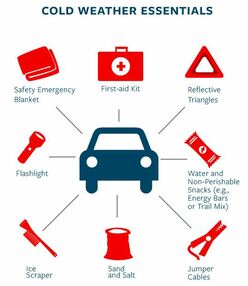
Cold Weather Essentials
  • Check the battery, tires and tire pressure
  • Check all fluids, including antifreeze
  • Keep an emergency kit in your vehicle, jumper cables, ice scraper
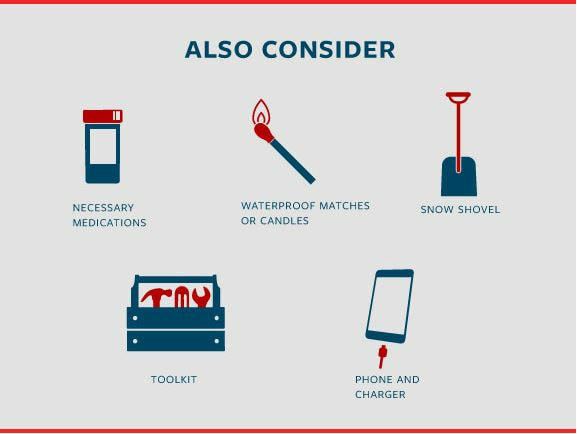
  • Keep a flashlight, blankets, portable phone charger, first-aid kit, extra batteries and water and non-perishable snacks

Your car is an investment to protect - and you and your loves ones should be protected at all times! Click here to see our Winter Driving Safety Tips.
​
Want more tips before the upcoming new year? Check out all of our topics.

Need to discuss your coverage? Reach out anytime.

​All the best for the holidays and a Happy New Year!

Picture
0 Comments
<<Previous
Forward>>

    BLOG
    ​Leighton Annis

    At Suburban, we've been getting personal since 1956!

    Request A Quote
    View my profile on LinkedIn

    Archives

    January 2026
    November 2025
    August 2025
    July 2025
    June 2025
    May 2025
    March 2025
    February 2025
    December 2024
    November 2024
    October 2024
    September 2024
    August 2024
    June 2024
    May 2024
    April 2024
    March 2024
    February 2024
    December 2023
    November 2023
    October 2023
    September 2023
    August 2023
    July 2023
    June 2023
    May 2023
    April 2023
    March 2020
    February 2020
    December 2019
    October 2019
    August 2019
    July 2019
    May 2019
    April 2019
    March 2019
    January 2019
    December 2018
    November 2018
    September 2018
    August 2018
    May 2018
    April 2018
    March 2018
    January 2018
    December 2017
    November 2017
    October 2017
    August 2017
    July 2017
    June 2017
    May 2017
    April 2017
    March 2017
    February 2017
    January 2017
    December 2016
    November 2016
    October 2016

    Categories

    All
    Auto Discount Savings
    Auto Insurance
    Auto Insurance For Teens
    Auto Theft Prevention Tips
    Back To School Safety
    Boating Safety For Children
    Boating Safety Tips
    Boat Insurance
    Business Owners Policy (BOP)
    Car Insurance Discounts
    Cloud Hacks
    Cold Weather Essentials
    Computer Fraud
    COVID-19
    Cyber Crime Coverage
    Cyber Insurance
    Cyber Threats
    Data Breach
    Distracted Driving
    Driving Safety Tips
    Emergency Preparedness
    Factors For Buying A Car
    Fall Driving Tips
    Federal Flood Insurance Program
    Financial Stability
    Fire Prevention
    Fire Prevention Month
    Fire Prevention Week
    Fireworks Safety
    Flood Damage
    Flood Insurance
    Flood Preparedness
    Flood Protection
    Fog Dangers
    Frozen Pipes
    Hacks For Packing
    Handling A Car Accident
    Homebuyer Protection
    Home Escape Plans
    Homeowners Insurance
    Home Preparation Tips
    Home Prep Tips
    Home Safety
    How Car Insurance Rates Work
    Hurricane Checklist
    Hurricane Preparedness
    IIHS Top Safety Picks
    Improve Your Gas Mileage
    Insurance
    Insurance And Fire Prevention
    Insurance Carrier Comparisons
    Insurance Claims
    Insurance Claims Process
    Insurance Coverage
    Insurance Policies
    Insurance Quote
    Insurance Security
    Insurance Tips
    Jewelry Insurance
    Kitchen Safety
    Lower Insurance Costs
    Moving Tips
    National Flood Insurance Program
    Nationwide Insurance Increase
    New Jersey License Requirements
    New Jersey New Home Warranty Program
    Organize Your Move
    Policy Coverage For Storms
    Pool Barriers
    Pool Laws
    Pool Safety
    Power Outages
    Practice Safe Cooking
    Prepare For Winter Storms
    Preparing To Move
    Preparing Your Home
    Preventing Frozen Pipes
    Property Damage
    Proposed Tariffs
    Protecting Your Home
    Protect Your Pipes From Freezing
    Protect Your Possessions
    Punxsutawney Phil
    Real ID
    Real ID New Jersey
    Recreational Vehicle Insurance
    Renter's Insurance
    Risk Of Dryer Fires
    Roaming Deer
    Safe Vehicles
    Selecting An Insurance Carrier
    Slippery Roads
    Small Business Insurance
    Smart Home Kits
    Smoke Alarms
    Special Event Insurance
    Tariffs Effect On Auto Market
    Teen Driving
    The Real ID Act
    Top Safely Picks 2024
    Travel
    Travelers Billing Relief
    Travelers Insurance
    Travel Insurance
    Umbrella Insurance
    Vacation
    Valuable Items Insurance
    Watercraft Insurance
    Wedding Insurance
    Wedding Ring Insurance
    Winterize Your Car
    Winterize Your Home
    Winter Storms
    Winter Survival Kit
    Winter Weather

    RSS Feed

Picture
Picture
Since 1956, Suburban Brokers Inc. is the original insurance agency providing personal, appropriate coverage for all of your insurance needs.
Serving New Jersey, New York and Pennsylvania
​ Se Habla Español
Read our Blog
Phone:  201-796-1881
Fax:       201-797-6689
6-16 Saddle River Road
P.O. Box 400
Fair Lawn, NJ 07410
Email: [email protected]

Picture
View our Privacy Policy
Select Language to translate website
Website by LMS Consulting