Suburban® Brokers Inc.
201-796-1881
Monday - Friday 9:30 - 5:00
Se Habla Español
  • Home
  • About
    • Our Team
    • Kando Service Agency
  • Services
  • Homeowner
  • Business
  • Auto
  • RV
  • Claims
  • Contact
  • Blog

Fire Prevention Week

10/7/2019

0 Comments

 
Picture
O​ctober has been designated as National Fire Prevention Month – a time when public service departments across America join forces to spread the word about fire safety. Each year, the campaign focuses on a different aspect of safety, from preventing forest fires to planning an escape route during a blaze. While the campaign lasts the entire month, most police and fire departments designate the second week of October as Fire Prevention Week.

​The National Fire Prevention Association (NFPA) has announced “Not Every Hero Wears a Cape. Plan and Practice Your Escape!” as the theme for Fire Prevention Week, October 6-12, 2019. This year’s campaign recognizes the everyday people who motivate their households to develop and practice a home fire escape plan; these seemingly basic behaviors can have life-saving impact.

“This year’s campaign works to celebrate people of all ages who learn about home fire escape planning and practice, bring that information home, and spur their families to action,” said Lorraine Carli, vice president of Outreach and Advocacy at NFPA. “From young students who learn about the campaign at school to parents who attend a community event like a fire station open house - all of them truly are heroes because they’re taking steps to make their households much, much safer from fire.”

“Not Every Hero Wears a Cape. Plan and Practice Your Escape!” also focuses on what a home escape plan entails and the value of practicing it. These messages are more important than ever, particularly because today’s homes burn faster than ever. Carli notes that synthetic fibers used in modern home furnishings, along with the fact that newer homes tend to be built with more open spaces and unprotected lightweight construction, are contributing factors to the increased burn rate.

“People tend to underestimate their risk to fire, particularly at home. That over-confidence lends itself to a complacency toward home escape planning and practice,” said Carli. “But in a fire situation, we’ve seen time and again that advance planning can make a potentially life-saving difference.”
Picture
A ​home escape plan includes working smoke alarms on every level of the home, in every bedroom, and near all sleeping areas. It also includes two ways out of every room, usually a door and a window, with a clear path to an outside meeting place (like a tree, light pole or mailbox) that’s a safe distance from the home. Home escape plans should be practiced twice a year by all members of the household.

For more information about Fire Prevention Week and “Not Every Hero Wears a Cape. Plan and Practice Your Escape!,” along with a wealth of resources to help promote the campaign locally, visit fpw.org.

Don't wait until disaster strikes to find out about fire safety.

Picture
0 Comments

Car Insurance Discounts

8/27/2019

18 Comments

 
Picture
Car insurance can be expensive, but you can reduce your premium by understanding how it works and how to find the best discounts.

With so many insurance companies to choose from, policyholders benefit from the fierce competition between insurers over attracting and retaining new clients.

You don’t have to wait until your policy is up for renewal to ask about discounts. If you discover you can get better rates and discounts, move your policy to another auto insurance carrier right away.

How Car Insurance Rates Work

Your car insurance rates take into consideration many factors. Companies look at how much coverage you want to buy, then calculate how much to charge you based on the likelihood it will have to pay that amount. When you compare quotes, you are supplying the information the carriers need to do the math. Each question represents a way to gauge potential risk.

Are your insurance rates set by law? Yes and no. Car insurance rates are regulated by states, but if companies observe state laws, they are free to charge what they wish.

How is my car insurance rate set? You are sorted first into an individualized group – say, married drivers in your zip code over 25. Then the company calls up the pricing for that group. It adjusts for any negative factors, such as traffic violations or a pattern of claims. It considers the value of the car are you are insuring and the frequency of claims. Finally, any discounts you qualify for are subtracted from the price, and your quote is returned.

What affects the auto insurance rates quotes I receive?
  • Who you are
  • Your record
  • What and how you drive
  • How much coverage you want

Which factors affect car insurance the most?
  • Your zip code
  • Your age
  • Your driving record
  • Your credit
  • Your previous insurance coverage

Types of Insurance discounts

Being a ​great driver, operating a vehicle with the best safety features, and having a child with impressive grades can all help you save money. Note that car insurance discounts may vary by state, vehicle, driving record, credit history, and other factors.
Picture

Auto insurance discount savings

Picture
Finally, make sure you get what you need. It’s easy to focus on the bottom line and go for the lowest premium. That’s not always in your best interests. Make sure you understand what coverage you have and what your potential out of pocket expenses will be in the event of a loss. Also, make sure you carry good liability coverage, not the minimum state requirement. Many people are under-insured by not understanding that if you cause bodily injury or property damage to others that you are responsible for the damages, even if they exceed your insurance policy limits.

It doesn’t matter how good a “deal” is if you get insufficient service. We can help you do the homework to find the best insurance that provides the coverage you need at the right price.

Have a safe and happy Labor Day weekend.
Picture
18 Comments

Essential Fireworks Safety

7/1/2019

3 Comments

 
Picture
July 4th is a big deal in America. The 4th of July and spectacular fireworks displays go together. Fireworks are beautiful, but they can also be dangerous and in some cases, illegal.
 
If someone using fireworks accidentally starts a fire, they may not be able to turn to their insurance company for reimbursement.

Homeowner's Coverage

​Most home insurance policies provide several different types of protection – each with varying payout limits. There are different types of accidents. If an insured shoots-off illegal fireworks and sets fire to their house, it may not be covered. Most policies exclude damage resulting from illegal acts. However, should fireworks accidentally spark leaves in the gutter, insurance may cover the damage.
 
What if the fireworks malfunction injuries someone? This also could be covered under a  homeowners’ insurance section for medical payments to others. Similarly, liability payments could cover fireworks that accidentally damage someone else’s property.
 
Consider the consequences before using fireworks.

Fireworks Safety - Keeping people and Property Safe

  1. Use fireworks outdoors only.
  2. Point fireworks away from homes, buildings and people.
  3. Store fireworks properly: Storing fireworks can be tricky — if stored improperly, they could lose their charge, weaken, or prematurely ignite. Store fireworks in a cool, dry, dark location out of reach of children and pets.
  4. Never use homemade fireworks.
  5. Read all instructions before igniting.
  6. Keep a bucket of water or a garden hose handy.
  7. Wear safety glasses when shooting fireworks.
  8. Don’t use fireworks while under the influence. 
  9. Don’t ignite fireworks in a container.
  10. Carefully dispose of spent fireworks.
  11. Light one firework at a time.
  12. Leave fireworks to the professionals: The safest way to enjoy fireworks is to attend a public display conducted by trained professionals.

Best Fireworks in New Jersey

Each year, The Best of NJ puts together the most comprehensive list of New Jersey events and fireworks displays you’ll find anywhere on the internet. ​

Check out the best Fireworks by Region. 

We remember, salute and pay tribute to the brave Heroes who fought hard for our freedom and independence to make this day possible. Let’s share peace and love with one another and cherish the celebration of freedom with patriotism in our hearts. ​

​Have a safe and happy holiday!
Picture
Picture
3 Comments

Auto Theft Prevention tips

5/20/2019

1 Comment

 
Picture
​Cars can be stolen at any time of the day. Some cars are also much more likely to be stolen than others. According to USA Today, while expensive exotic cars may seem like the most efficient way to a large payout for a criminal, common cars like Honda Accord, Honda Civic, and Chevrolet and Ford pickups are by far the most stolen vehicles in America. This is especially true of older models without modern security features.

The Garden State has it’s share of stolen vehicles as noted in the stats below:

  • Metro area with most car thefts: Trenton
  • Vehicle theft rate: 203.6 per 100,000 residents
  • Total vehicles stolen in 2017: 763
  • Most stolen car in New Jersey: Honda Civic
 
Click here to see stolen cars by state.
 
Make sure you are less susceptible to car theft with these helpful prevention tips from Foremost Insurance Group:
Park Safely 
The best bet is to keep your vehicle in a locked garage. But for some people, this may not be an option. If you keep your vehicle parked outside, start by parking it in your driveway. If your vehicle is front wheel drive, park front end first, and if your vehicle is rear-wheel drive, back into your driveway. This makes it harder to thieves to tow your vehicle. If you park in the street, park in a well-lit, highly trafficked area, but make sure you're following the posted rules. Turning your wheels towards the curb, using your emergency brake, and parking in between other vehicles can also make it harder for your vehicle to be towed away.
Theft Deterrents
While locking your vehicle or leaving it in a well-lit area can certainly help prevent auto theft, you may want to increase your peace of mind by purchasing an anti-theft device. Many different types are available, and it's easy to find one that fits your budget and needs. Some of the more common anti-theft devices include:
  • Electronic security systems
  • Steering wheel and column locks
  • Ignition kill switches
  • Fuel kill switches
  • Immobilizers
  • Locks for the floorboard, gear shift, tires/wheels or hood
  • Vehicle tracking systems
If Your Vehicle is Stolen 
Unfortunately, vehicles are stolen all the time in this country. If you become the victim of auto theft contact the police first. Make sure you know as much of the following information as possible:
  • Year, make, model, and color of your vehicle
  • License plate number
  • VIN
  • Approximate time of the theft
  • Location where the vehicle was parked
  • Names of eyewitnesses (if there are any)
Next, inform your insurance company that your vehicle was stolen. Have your policy number on hand when you call.
Insure Your Investment 
In addition to being confident that you are doing what you can to protect your vehicle; it's important that you have the right insurance. Not all automobiles are the same and neither are all automobile policies. You need an insurance policy that offers the coverages that are important to you when you're behind the wheel.
 
Doing Business with Your Insurance Company 
When you have a loss, it's an inconvenience, and you want it to be taken care of quickly and efficiently by adjusters who are courteous, helpful and knowledgeable. 
 
We have relationships with dozens of top-rated insurance companies, allowing you to get the best price with the correct service. At Suburban, we can offer the right coverage with the personal touch you would expect from your neighborhood insurance agency.
Picture
1 Comment

Boating Safety Tips

4/22/2019

11 Comments

 
Now that Spring is officially here, the warm weather draws us outdoors as much as possible. Everyone loves the feel of the wind in your face, the spray of the water off the boat, and the peacefulness that comes from being out on the open water. Follow these safety tips to make sure that your day on the water doesn't turn into a day of tragedy. Boating safety starts with you.
Picture
11 Comments

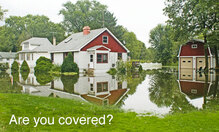
will congress finally fix federal flood insurance program so important to N.j.?

3/15/2019

1 Comment

 
Rep. Josh Gottheimer on flood insurance
As a lifelong New Jersey ​resident and an Insurance Broker in this state, for all my adult life, I realize how important the Federal Flood Insurance Program is to New Jersey residents.

​The current program expired Sept. 30, 2017, and Congress has passed several short-term extensions since. The National Flood Insurance Program now will next expire May 31.

The article below, published yesterday, sheds some light on current hearings in progress to overhaul the program. ​ 

By Jonathan D. Salant | NJ Advance Media for NJ.com
 
WASHINGTON — After more than a year of kicking the can downfield, Congress may finally be ready to extend and overhaul the federal flood insurance program so important to New Jersey.
 
At a hearing Wednesday, the new House Financial Services Committee chairwoman, Rep. Maxine Waters, D-Calif., backed changes to the program championed by U.S. Sen. Robert Menendez, D-N.J.

The plan includes steps to hold down premiums, invest in construction projects designed to reduce the impact of the next storm, forgive a $20 billion debt that ballooned after Hurricane Katrina and then after Sandy, and develop new maps that accurately identify areas in danger of flooding.
​
Federal flood insurance is one of the few federal programs that benefits New Jersey more than other states. FEMA has paid $6 billion to property owners in the state from Jan. 1, 1978, through Sept. 30, 2018, behind only Louisiana and Texas, agency statistics show.
 
About 227,000 New Jerseyans have federal flood insurance. The Garden State bore the brunt of Hurricane Sandy.

Menendez said he would work with Waters on legislation, unlike in the last Congress where he found no support among most House Republicans for his measure.

His plan would have held down increases in flood insurance premiums, allocated funds to protect properties against water damage rather than just paying claims, and changed procedures in response to problems that surfaced when Hurricane Sandy homeowners sought to be compensated for damages.

Click here to read the full article and to stay on top of this topic. ​​
Suburban Brokers has called Fair Lawn, New Jersey home for over 60 years. We are proud to be part of the Fair Lawn and Bergen County Communities. We are also proud of our hard-earned reputation in the insurance industry. Whether it's Homeowners, Car Insurance, Business, Life or Health, or any other insurance you may need, Suburban can find the best solution for you.
Picture
1 Comment

Winter Driving Safety Tips

1/25/2019

1 Comment

 
Picture
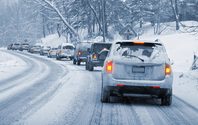
With much of the weather around the country being cold and snowy, I thought I would repost this helpful blog from a couple of years ago.

Some of us love the falling snow and others dread it. Personally, I love sitting at home by the fire watching the snowflakes fall. What I don’t like is driving in the snow. I think most of us would prefer not to drive in snowy or slippery conditions. That said, it’s important to be as safe as possible when on the road, particularly this time of year. 


While many of these tips are common sense, it’s essential to take the time to review them – to stay safe on the roads. Your car is an investment to protect – and you and your loved ones should be protected at all times.

Check out Travelers Winter Driving Safety Tips. Below are just a few of them.​
  • Make sure your car is prepared for cold temperatures and wintery conditions like snow and ice. Keep your equipment properly maintained and include a winter survival kit in your vehicle: an ice scraper, snow shovel and sand/salt.
  • Clear snow and ice off your car – including windows, mirrors, lights, reflectors, hood, roof and trunk.
  • Drive with your headlights on, and be sure to keep them clean to improve visibility.
  • Use caution when snow banks limit your view of oncoming traffic.
  • Avoid using cruise control in snowy or icy conditions. In adverse conditions, you want as much control of your car as possible.

    See more safety tips.​
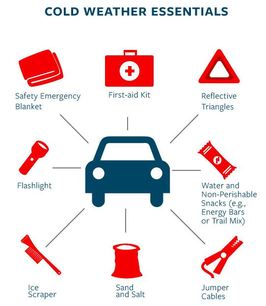
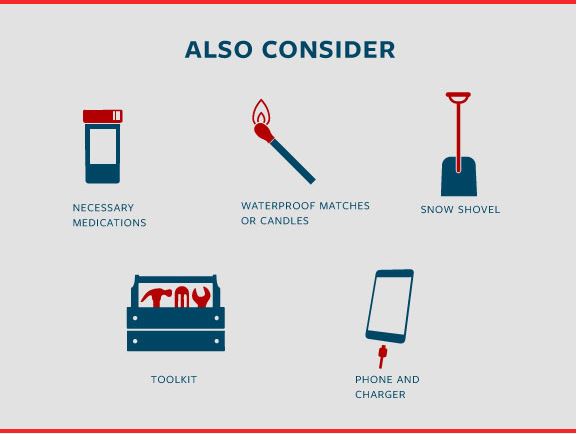
What's In Your Winter Survival Kit?​

If you drive in remote areas or are planning a long trip this winter, keep a winter survival kit in your car. While some of the items may be appropriate for your car all year long, these supplies can help you deal with winter weather.
Picture
Picture
Check out the infographic to review your survival kit.
At Suburban, we want you to be prepared and safe on the roads this winter. Contact us if you have any questions or want to discuss your insurance coverage.
Picture
1 Comment

Experian Predicts 2019’s Top Cyber Threats

12/28/2018

1 Comment

 
Picture
Consumers may currently be thinking about how they can best protect themselves from cyber threats while shopping online during the holiday season, but insurers and risk managers are already looking ahead with hopes of mitigating threats that may emerge in the new year.

Recently, Experian® shared its sixth annual “Data Breach Industry Forecast,” which broaches such topics as cloud attacks and biometric hacking.

​“Hackers have become very nimble at outsmarting protection measures,” Michael Bruemmer, Experian’s vice president of Data Breach Resolution, said in a press release. “Our predictions look at where hackers may go next to exploit vulnerabilities, so companies can safeguard themselves against these future threats.”
Here are Experian’s five data breach predictions for 2019:

  1. Attackers will zero in on biometric hacking
    Attackers will zero in on biometric hacking and expose vulnerabilities in touch ID sensors, facial recognition and passcodes. Biometric data is considered the most secure method of authentication, but it can be stolen or altered, and sensors can be manipulated and spoofed or deteriorate with too much use
  2. Next generation skimming on a national network
    Skimming is the next frontier for an enterprise-wide attack on a major financial institution’s national network, which could result in millions of losses. Credit card skimmers are hidden devices designed to steal card information and passcodes. Criminals are now going after bank networks – moving beyond attacking individual ATMs by loading malware into entire computer systems.
  3. A major wireless carrier will be attacked
    A major wireless carrier will be attacked with a simultaneous effect on both iPhone and Android, stealing personal information from millions of consumers and possibly disabling all wireless communications in the United States. Similar to an attack on critical infrastructure, a serious disruption to a wireless network would halt the nation.
  4.  A top cloud provider will suffer a breach
    It’s a matter of when, not if, a top cloud vendor will suffer a breach, compromising the sensitive information of major companies. The only question is how long it will take hackers to go to the cloud, affecting the world’s largest companies and potentially billions of pieces of data.
  5. The online gaming community will be an emerging hacker surface
    The online gaming community will be an emerging hacker target, with cybercriminals posing as games and gaining access to the computers and personal data of trusting players. A cybercriminal can easily pose as a gamer or take over an avatar to infiltrate games and communities, stealing personal and credit card information and valuable game pieces and tokens.
​We now provide insurance for consumers and businesses for the following:
  • Cyber Crime Coverage
  • Reputational Damage Coverage from Cyber Event
  • Computer Fraud and Funds Transfer Fraud

​Call me so we can discuss how to protect you and your business against cyber threats.

Have a safe and healthy New Year!
Picture
1 Comment

Travelers Teams Up With Amazon to Provide Smart Home Solutions

11/27/2018

0 Comments

 
Picture
Travelers has teamed up with Amazon to offer smart home kits and valuable insurance and risk management information through the insurance industry’s first digital storefront: Amazon.com/Travelers.

The smart home kits, which will be offered at discounted prices for Travelers customers in participating states, are designed to help protect homeowners from some of the most common causes of loss. Discounted kit installation through Amazon Smart Home Services is also offered where available. The smart home kits include:
  • Security cameras.
  • Water sensors.
  • Motion detectors with multi-sensor capabilities.
  • A smart home hub that wirelessly connects a wide range of smart devices and enables them to work together.
  • An Amazon Echo Dot.
Eligible Travelers home insurance customers will receive a discount on their policy with the purchase of a smart home kit.
Now you can get help managing your Travelers policies and get home safety and maintenance tips by simply asking Alexa on any Alexa enabled device. Travelers is proud to offer two new Travelers skills for Alexa - 
​
Travelers Home Central Skill and the Travelers Skill. ​

​Both skills allow customers to interact with Travelers in a new, convenient way.

​Auto and home customers can now easily access policy information through the Travelers Skill, while ALL customers can access property maintenance and home safety tips through the Travelers Home Central Skill. 
​
For more information, visit Travelers Here or give me a call and I'll be happy to assist you at 201-796-1881. 
Picture
0 Comments

Slow Down: Back to School Means Sharing the Road

9/3/2018

2 Comments

 
Picture
The end of summer vacation comes too quickly for most of us. With vacations wrapping up and an influx of traffic, September brings a change in driving patterns and a return to school zone rules of the road.

College students are packing up their cars to head back to campus, and parents are driving their kids to and from school. The increase in traffic congestion and distracted driving can lead to potentially dangerous road conditions and contribute to auto accidents.
Picture
6 Tips to Stay Safe on the Roads this School Year:

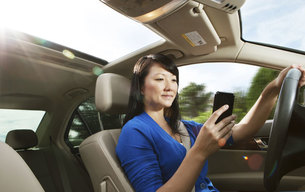
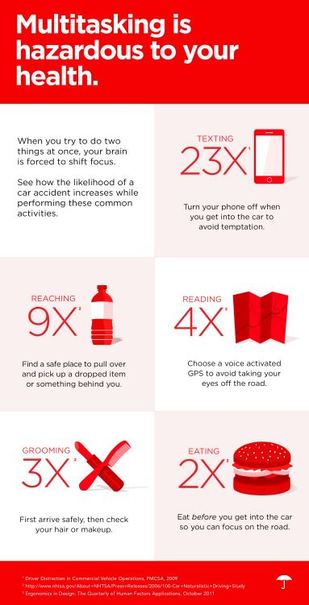
  1. Avoid Distracted Driving. When the entire family is traveling in the car, the potential for distraction is multiplied. Young drivers are prone to distracted driving, especially with the temptation of handheld technology. Keep the phone out of sight and NEVER text while driving.                                                                        
  2. Respect the Big Yellow Bus. Imagine being in a large vehicle with 40 noisy 6th-graders. Put yourself in the bus driver’s shoes. Do your part and make the driver’s job easier. Yield when they are attempting to merge. Maintain a significant distance behind buses as they often make unexpected stops. Make sure children know never to walk behind buses.
  3. Watch out for Pedestrians. Back-to-school season means kids walking to class and more bicycles on the road, especially in residential areas close to schools. 
  4. Wear Seat Belts. Seat belts save lives and help to prevent injuries. Make sure all children are correctly buckled in the proper car or booster seats. Additionally, secure pets in the back of the car.
  5. Plan and Allow Extra Travel Time. With more vehicles on the roads, there is more potential for dangerous accidents. Be patient, allow extra travel time just in case.
  6. Be Wary of New Drivers. A new school year brings a surge of newly-licensed teen drivers on the roads, in addition to inexperienced college students with only a couple of years driving under their belt. Be mindful and cautious of new drivers.

While we normally associate the beginning of the school year with more traffic in school zone areas, it’s also important to keep in mind the increase of traffic on highways and roads as well. In September, commute times typically rise due to commuting students and parents dropping off children at schools.
 
By exercising a little extra care and caution, and keeping these facts in mind, we can all keep ourselves and families safe.
Picture
2 Comments

Getting Personal. Is it time for Cyber Insurance?

8/8/2018

1 Comment

 
Picture
Cyber Threats Continue to Increase

Recent data from the Federal Trade Commission found that millennials are reporting fraud a lot more often than other groups, with an average loss around $200. Seniors reported less frequently, but their average loss is $1,200.

 
64 percent of Americans have an online account involving health, financial or other sensitive data. As more and more people rely on the internet to do business and manage their personal lives, their information has the potential to become susceptible to a cyber breach.

Your home is full of cyber risks. Too many homeowners don’t realize this until it’s too late. Whether it’s your computer or mobile device, or your laptop or connected home technology, you need the right protection for the exposures that come with modern connected life.

What is a Personal Cyber Policy and why should individuals consider this coverage?
 
Personal cyber insurance policies will give insureds security in the case of a cyber attack, allowing them to file claims for ransom and extortion payments, identity theft fees, and data restoration expenses related to a personal cybersecurity breach.
 
With HSB Home Cyber Protection™, you can gain a suite of innovative cyber coverage for computer attacks, cyber extortion, online fraud and the breach of personal information of others involving smartphones, computers and connected home devices.
Picture
HSB Home Cyber Protection™ coverage includes:

  • Computer Attack, to remove malware and reprogram computers and tablets, Wi-Fi routers or other internet access points
  • Home Systems Attack, to restore devices connected to the internet, including smartphones, thermostats, smart appliances, and security and monitoring systems
  • Cyber Extortion, with professional assistance on how to respond to a ransomware attack and payment of ransom when approved
  • Online Fraud, for losses due to identity theft, phishing schemes, illegal bank and credit card transfers, forgery, counterfeit currency, and other deceptions
  • Data Breach, including forensic IT and legal reviews, notification and recovery services when private non-business data entrusted to an individual is lost, stolen or published.

What are some actions you can take to help protect your data?

In addition to offering Personal Cyber coverage, be aware of what information you place online, and how to protect it. Many people have an outdated impression that hackers are just rogue individuals, typically working out of someone’s basement – this is no longer the case. Today, hacking is a full-time job and organized crime in the cyber world is a huge syndicate.

There are a few initial steps that consumers can take to protect themselves, including:
  1. Personal Cyber Policy: This will protect clients against traditional identity theft, paying any direct monetary losses that are unrecoverable as well as any expenses to investigate and remediate. Policyholders also get the benefit of a specialist to help restore their credit report.
  2. Install a password manager: Password strength and encryption are important, and using a password manager allows users to not have to rely on memory to remember passwords. The manager will also encrypt users’ information and automatically change his or her password every time they access a site.
  3. Use available resources: The Identity Theft Resource Center (ITRC) can provide clients with a wealth of knowledge and act as a great educational resource for people needing help to navigate a cyber attack. And best of all, it’s free.
 
Personal cyber crime is not something that can be prevented. In fact, nearly two-thirds of Americans have experienced some form of data theft. 
 
Contact me if you wish to discuss your risks and we can come up with the best line of defense to protect you.
Picture
1 Comment

Are you insured for summer?

5/24/2018

0 Comments

 
Picture

"A perfect summer day is when the sun is shining,
the breeze is blowing, the birds are singing, and
​the lawn mower is broken.”


—James Dent

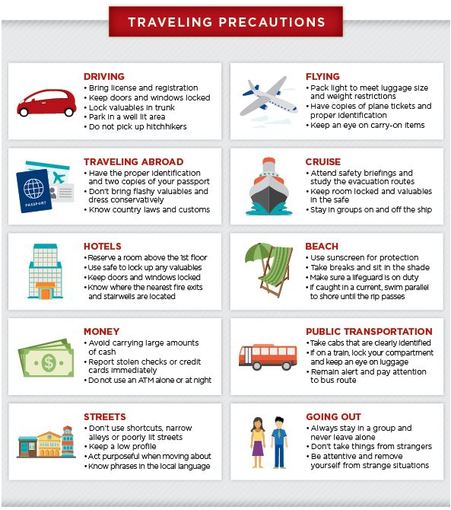
​Memorial Day marks the start of the summer travel season. From cross-country road trips to surfing at the beach, summer likely means fun travel and outdoor activities. However, even carefully planned trips can be disrupted by unforeseen incidents. Extreme sports, boating, and even pool parties – all carry some risk and liability.
Picture
All-terrain vehicles are typically not covered by homeowners or standard automobile insurance policies. For an affordable price, we can help you find a separate ATV policy, review age restrictions, and determine if the policy covers friends and family.

Picture
A ​boat insurance policy provides liability coverage in case someone is injured on your boat. It also covers bodily injury inflicted on others as well as property damage to your boat. Personal watercrafts, such as jet skis, often require a separate policy.
So​me companies may not insure your property if you own a pool, or there may be exclusions for liability and related injuries. Your insurance company may also deny coverage or cancel your policy if you do not follow the policy’s safety guidelines or fail to inform them when you build a pool. Consider adding an umbrella policy to increase your liability coverage.
Picture
​Whether you’re leaving home for a weekend getaway or a long road trip, be aware of what your policy covers while you’re away. Typically, your homeowners insurance will follow you, protecting you even while you’re not at home. Off-premises coverage means your belongings are covered anywhere in the world. If you’re staying at a hotel and your belongings are stolen, your policy will provide coverage, but the exact coverage depends on your specific policy. If you are traveling with high-priced items, it’s a good idea to insure them separately.

Not sure what your coverage is for summer travel? Give us a call and we’ll review your policies and help you fine tune coverage for your family and your business. 201-796-1881

Have a safe Memorial Day and enjoy your summer travels!
Picture
0 Comments

How to handle a car accident...

4/23/2018

12 Comments

 
Picture
The average American will have 3 or 4 auto accidents in his or her lifetime!

In 2015 alone, more than 2.4 million people were injured and nearly 35,000 people died in 6.2 million crashes nationwide, according to the National Highway Traffic Safety Administration. 

The good news? Most car collisions aren’t deadly.

Check out some car accident statistics from DriverKnowledge.com:
  • About 9 people are killed each day as a result of distracted driving.
  • You are 23 times as likely to crash if you text while driving.
  • 1 out of 3 people texts while driving.
  • Wearing a seat belt reduces your risk of death by 45%.
  • 1 in 7 people do not wear a seat belt while driving.
  • People not wearing a seat belt are 30 times more likely to be ejected from the vehicle during a crash.

What to do after a Car accident

Picture
  • Safety First. Stay calm. Take a deep breath, check for injuries and call for emergency help if necessary.
  • If the accident is minor, and it will not put anyone in jeopardy to do so, move the cars involved in the accident to a safe place.
  • Shift car into park, turn off your vehicle and turn on the hazard lights.
  • CALL THE POLICE. Even if your accident is minor, and even if the other party tries to persuade you to just “handle it among yourselves,” DO NOT SKIP THIS STEP. 
  • Gather information:
    ---Make notes about the accident, 
    ---Names and contact information, driver’s license numbers, license plate numbers, vehicle descriptions,
    ---Insurance companies and policy numbers, 
    ---Witnesses names and contact information, 
    ---Accident scene location,
    ---Police officer’s name and badge number.
  • Take photos of the scene, including photos of the damage to all vehicles.
  • Contact your insurance company after your accident and file a claim. 
  • Notify your insurance agent quickly.

What NOT to do after a Car accident

  • Never leave the scene of the accident.
  • Never admit responsibility for the accident.
  • Never sign any documents unless it’s for the police or your insurance agent.
  • Never agree to allow the insurance company to record your conversation without speaking to an attorney first.
  • Never discuss your accident on social media.
Having an auto accident or dealing with a catastrophe is stressful, but it’s important to stay calm and focused. The right steps will help keep you safe and prevent further stress.

You never have to manage a car accident alone. We are here to help you every step of the way. During business hours, contact us as soon as possible at 201-796-1881. We are always ready and willing to assist you.
​
Happy Spring and safe driving.
Picture
12 Comments

When Riley and Quinn Blow in...

3/8/2018

0 Comments

 
Picture
Last week's severe weather caused widespread damage resulting in downed trees, power outages and damaged roofs.

Two nor'easters in less than a week's time can be a nightmare.

​That's why it's important to take both storms seriously and be sure to restock all emergency supplies.
Are You Prepared?
Check Your Supplies
  •  Make sure you have a snow shovel and salt/sand to keep walkways safe.
  • Check for sufficient heating fuel and generator fuel.
  • Keep adequate supplies of seasoned wood if you have a fireplace or wood stove.
  • Keep warm clothing/blankets on hand, and stock non-perishable foods and drinking water.
Be Ready for a Power Outage
  • Turn your heat up now, and  close off any rooms that are not currently in use.
  • Check pipe insulation. If you lose power, allow the water to run at a trickle to prevent pipes from freezing.
  • Charge battery-powered electronic and communication devices.
  • Keep a battery-powered radio on hand.
  • Take out your flashlights, batteries and first aid kit.
Picture
Click the Travelers logo to learn more about preparing for storms, snow removal, winter driving safety tips, and much more.

Black Ice: How To Spot This Winter Driving Danger
Black Ice - It’s slippery, hard-to-spot and potentially deadly. “The biggest danger is that you are at the mercy of your vehicle and the ice until your car passes over it,” claims Julie Lee, vice president and national director of AARP Driver Safety.

​Black ice forms most often when it’s raining, and air is at or below 32 degrees Fahrenheit at the surface, according to AccuWeather senior meteorologist Andrew Mussoline. Low ground temperature causes the precipitation to freeze upon impact, thus creating ice.
The prime time for the development of this ice is between sunset and sunrise, when temperatures are typically the lowest. During the day, the best thing to do before getting in a vehicle is to check the pavement. “If the pavement is dry but you are seeing spots that look dark and glossy, that is probably going to be black ice," Lee said.

The most common locations for black ice are shaded or tree-covered parts of driveways and roadways due to the lack of sunlight. Bridges and overpasses are also prime locations because of their ability to freeze quickly.

“Due to a vehicle’s lack of traction on ice, the basic rule for driving on black ice is to stay calm and let the vehicle pass over it,” according to Lee.
Click above to watch The Weather Channel explain black ice.
Flood Damage Can be Worsened
Home and businesses that suffered flood damage from the first nor’easter might be invaded by the sea yet again. It’s helpful to have weeks or months between storms so proper damage surveys can be performed, and so measures can be taken to prevent flooding during future storms.

When storms come just days apart, it’s not so easy. Along the coast, residents are working feverishly to prepare their homes for nor’easter Quinn with hopes that the flooding won’t be as severe.

If you suffer any kind of damage and need to contact your insurance provider, visit the claims page on our website, or contact us during business hours at 201-796-1881. We are always here and ready to assist you. 

​Stay safe.
Picture
0 Comments

Types of Insurance for Small Business Owners

1/25/2018

6 Comments

 
Picture
If you're like most business owners, your business card might bear the title CEO or Owner, but you know that on any given day it could just as easily read customer service, marketing manager or chief cook and bottle-washer!

​The success of your business depends on your ability to wear all the multiple hats needed to keep the wheels of your business turning. At times, the dizzying pace required can turn even the most capable person into an overwhelmed entrepreneur wearing too many hats.
Protecting the business that you've worked long and hard to grow is a key component to its success. Do you know what types of insurance you should have to protect your specific business? What happens if someone falls on your property? What if an employee sues you? What about a fire or theft in the building?

Business insurance can seems like a crossword puzzle without the clues. At Suburban Brokers, we have the expertise to help you sort out the best options for protecting your business. Look at the types of insurance that might benefit your company.
1. General Liability Insurance: Every business needs to have liability insurance. The policy pays losses arising from real or alleged bodily injury, property damage, or personal injury whether on your business premises or arising from your operations.

2. Property Insurance:  If you own your building or business property, including office equipment, computers, inventory or tools you should consider purchasing a policy that will protect you if you have a fire, vandalism, theft, smoke damage etc.  You may also want to consider business interruption/loss of earning insurance as part of the policy to protect your earnings if the business is unable to operate.
​

3. Business Owner’s Policy (BOP): This policy packages all required coverage a business owner would need. Often, BOP’s will include business interruption insurance, property insurance, vehicle coverage, liability insurance, and crime insurance. Based on your company’s specific needs, you can alter what is included in a BOP. Typically, a business owner saves money with a BOP because the bundle of services costs less than the total cost of all the individual coverage.
4. Commercial Auto Insurance: Protects a company’s vehicles. You can protect vehicles that carry employees, products or equipment. With commercial auto insurance, you insure your work cars, SUVs, vans and trucks from damage and collisions.  For employees that drive their own cars on company business, you should have non-owned auto liability to protect the company in case the employee does not have insurance or has inadequate coverage.  Many times, the non-owned vehicle can be added to the BOP policy.
​

5. Worker’s Compensation: Provides insurance to employees who are injured on the job. This type of insurance provides wage replacement and medical benefits to those who are injured while working. In exchange for these benefits, the employee gives up his rights to sue his employer for the incident. As a business owner, it is very important to have worker’s compensation insurance because it protects yourself and your company from legal complications. State laws will vary, but all require you to have workers compensation if you have W2 employees.  Penalties for non-compliance can be very stiff.
6. Professional Liability Insurance: This type of insurance is also known as “Errors and Omissions Insurance.” The policy provides defense and damages for failure to render or improper rendering of professional services.  Your general liability policy does not provide this protection, so it is important to understand the difference.   Professional liability insurance is applicable for any professional firm including lawyers, accountants, consultants, notaries, real estate agents, insurance agents, hair salons, technology providers, and many more.
​

7. Data Breach:  If the business stores sensitive or non-public information about employees or clients on their computers, servers or in paper files they are responsible for protecting that information.  If a breach occurs either electronically or from a paper file, a data breach policy will provide protection against the loss.
We have the markets and insurance solutions for your small business needs. Let us wear one of your hats for a while and help you to protect your business. ​
Picture
Picture
6 Comments
<<Previous
Forward>>

    BLOG
    ​Leighton Annis

    At Suburban, we've been getting personal since 1956!

    Request A Quote
    View my profile on LinkedIn

    Archives

    January 2026
    November 2025
    August 2025
    July 2025
    June 2025
    May 2025
    March 2025
    February 2025
    December 2024
    November 2024
    October 2024
    September 2024
    August 2024
    June 2024
    May 2024
    April 2024
    March 2024
    February 2024
    December 2023
    November 2023
    October 2023
    September 2023
    August 2023
    July 2023
    June 2023
    May 2023
    April 2023
    March 2020
    February 2020
    December 2019
    October 2019
    August 2019
    July 2019
    May 2019
    April 2019
    March 2019
    January 2019
    December 2018
    November 2018
    September 2018
    August 2018
    May 2018
    April 2018
    March 2018
    January 2018
    December 2017
    November 2017
    October 2017
    August 2017
    July 2017
    June 2017
    May 2017
    April 2017
    March 2017
    February 2017
    January 2017
    December 2016
    November 2016
    October 2016

    Categories

    All
    Auto Discount Savings
    Auto Insurance
    Auto Insurance For Teens
    Auto Theft Prevention Tips
    Back To School Safety
    Boating Safety For Children
    Boating Safety Tips
    Boat Insurance
    Business Owners Policy (BOP)
    Car Insurance Discounts
    Cloud Hacks
    Cold Weather Essentials
    Computer Fraud
    COVID-19
    Cyber Crime Coverage
    Cyber Insurance
    Cyber Threats
    Data Breach
    Distracted Driving
    Driving Safety Tips
    Emergency Preparedness
    Factors For Buying A Car
    Fall Driving Tips
    Federal Flood Insurance Program
    Financial Stability
    Fire Prevention
    Fire Prevention Month
    Fire Prevention Week
    Fireworks Safety
    Flood Damage
    Flood Insurance
    Flood Preparedness
    Flood Protection
    Fog Dangers
    Frozen Pipes
    Hacks For Packing
    Handling A Car Accident
    Homebuyer Protection
    Home Escape Plans
    Homeowners Insurance
    Home Preparation Tips
    Home Prep Tips
    Home Safety
    How Car Insurance Rates Work
    Hurricane Checklist
    Hurricane Preparedness
    IIHS Top Safety Picks
    Improve Your Gas Mileage
    Insurance
    Insurance And Fire Prevention
    Insurance Carrier Comparisons
    Insurance Claims
    Insurance Claims Process
    Insurance Coverage
    Insurance Policies
    Insurance Quote
    Insurance Security
    Insurance Tips
    Jewelry Insurance
    Kitchen Safety
    Lower Insurance Costs
    Moving Tips
    National Flood Insurance Program
    Nationwide Insurance Increase
    New Jersey License Requirements
    New Jersey New Home Warranty Program
    Organize Your Move
    Policy Coverage For Storms
    Pool Barriers
    Pool Laws
    Pool Safety
    Power Outages
    Practice Safe Cooking
    Prepare For Winter Storms
    Preparing To Move
    Preparing Your Home
    Preventing Frozen Pipes
    Property Damage
    Proposed Tariffs
    Protecting Your Home
    Protect Your Pipes From Freezing
    Protect Your Possessions
    Punxsutawney Phil
    Real ID
    Real ID New Jersey
    Recreational Vehicle Insurance
    Renter's Insurance
    Risk Of Dryer Fires
    Roaming Deer
    Safe Vehicles
    Selecting An Insurance Carrier
    Slippery Roads
    Small Business Insurance
    Smart Home Kits
    Smoke Alarms
    Special Event Insurance
    Tariffs Effect On Auto Market
    Teen Driving
    The Real ID Act
    Top Safely Picks 2024
    Travel
    Travelers Billing Relief
    Travelers Insurance
    Travel Insurance
    Umbrella Insurance
    Vacation
    Valuable Items Insurance
    Watercraft Insurance
    Wedding Insurance
    Wedding Ring Insurance
    Winterize Your Car
    Winterize Your Home
    Winter Storms
    Winter Survival Kit
    Winter Weather

    RSS Feed

Picture
Picture
Since 1956, Suburban Brokers Inc. is the original insurance agency providing personal, appropriate coverage for all of your insurance needs.
Serving New Jersey, New York and Pennsylvania
​ Se Habla Español
Read our Blog
Phone:  201-796-1881
Fax:       201-797-6689
6-16 Saddle River Road
P.O. Box 400
Fair Lawn, NJ 07410
Email: [email protected]

Picture
View our Privacy Policy
Select Language to translate website
Website by LMS Consulting