Suburban® Brokers Inc.
201-796-1881
Monday - Friday 9:30 - 5:00
Se Habla Español
  • Home
  • About
    • Our Team
    • Kando Service Agency
  • Services
  • Homeowner
  • Business
  • Auto
  • RV
  • Claims
  • Contact
  • Blog

Prioritize Kitchen Safety

11/21/2025

0 Comments

 
Picture
Thanksgiving brings joy, family gatherings, and elaborate meals that create lasting memories. However, according to the National Fire Protection Association, cooking fires occur three times more frequently on Thanksgiving, making the kitchen the most dangerous room in your home during the holidays.
 
Whether preparing for a family dinner or making a quick snack, practicing safe cooking behaviors can help keep you and your family safe.
  • Never leave your range or cooktop unattended while cooking. If you must leave the room, turn your range or cooktop off.

  • Wear short, close-fitting or tightly rolled sleeves. Loose clothing can hang down onto hot surfaces and can catch fire if it meets a gas flame or electric burner.
 
  • Keep your cooking area clean and free of combustible materials. Food wrappers, oven mitts or other materials left on or near the stove may catch fire.

  • Be sure to clean up any spilled or splattered grease. Built-up grease can catch fire in the oven or on the cooktop.

  • Keep a fire extinguisher readily available. Having an extinguisher nearby is important, but you also need to have the correct type of extinguisher and know how to properly use it.
 
  • Never throw hot grease in the garbage as it can ignite combustible materials. Be sure to let grease cool and consider disposing it in an old can, such as a metal coffee can.

  • Do not store food or other items in your oven. It can be easy to forget there is an item in your oven, and this could catch fire while preheating.

What to do if a cooking fire flares up?

By exercising caution in your kitchen, you can help reduce the risk of a kitchen fire. But if a fire does flare up, you need to be prepared.
 
Your safety comes first. If you cannot safely extinguish the fire, leave the scene, call 911 for help and let the fire department control the fire. If a small fire flares up and you are going to try to extinguish it, call 911 for help first. A fire may grow out of control more quickly than you anticipate. It is safer to have help already on the way.
 
Smother a grease fire – never throw water on a grease fire. The water can be superheated and change to steam that can cause severe burns. Also, it can cause oil to splash up and spread the fire. If a grease fire starts in a pan, smother the flames by sliding the lid – while wearing an oven mitt – over the pan. If safe to do so, turn off the heat source. Do not move the pan; keep the lid on until the fire is out and the pan is completely cool.
 
If a fire starts in your oven, keep the door closed and turn off the heat source. Keeping the door closed will help smother the flames. Do not open the door until the flames are completely out.
 
If a fire starts in your microwave, turn off the microwave and do not open it until the fire is completely out. Unplug the microwave only if you can safely do so.
As your independent agent, we’re here to provide tips to help keep you and your family safe and protected. Best wishes for a safe and happy Thanksgiving celebration from the entire team at Suburban Brokers.
Picture
0 Comments

Flooding Happens Everywhere

8/19/2025

0 Comments

 
Picture
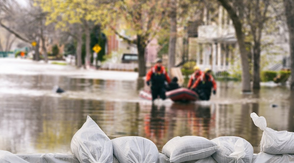
The first hurricane of the 2025 Atlantic season is forecasted to move up the East Coast this week, bringing high surf, dangerous riptides, and coastal flooding to low-lying areas.

The National Flood Insurance Program reports that flooding is the leading natural disaster in the United States, and just one inch of floodwater can cause damages of up to $25,000 to your home.
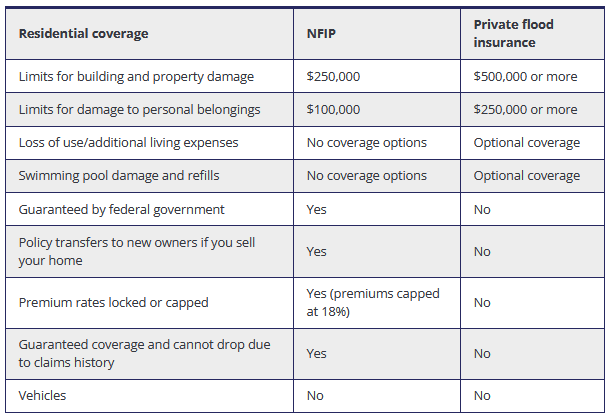
Since standard homeowner’s insurance typically doesn’t cover flood damage, it’s crucial to safeguard the investment you’ve worked so hard to build.
 
The earlier you secure flood insurance, the better protected you’ll be.
 
Our new online portal gives you a flood insurance quote within minutes. Click here to get your quote or contact us for more information at (201)796-188.
Picture
0 Comments

Navigating Uncertainty: The Hidden Risks of Downgrading Coverage

7/19/2025

0 Comments

 
Picture
As an insurance broker, I’ve seen firsthand how economic uncertainty can influence the way individuals approach their finances—and their protections. While it might be tempting to downgrade or cancel policies during financial crunches, it’s important to consider the potential consequences. Going without adequate coverage can leave you vulnerable to unexpected expenses—medical emergencies, property damage, or liability claims—that could wipe out your savings or push you further into debt.

How to Protect Your Future Without Overextending Today
 
The good news is that you don’t have to navigate these decisions alone. There are smarter ways to manage costs without sacrificing protection.  Many providers offer options tailored to your current situation:
 
Flexible Payment Plans: Some insurers provide payment deferrals or installment plans to ease short-term financial strain.
 
Discounts and Credits: Ask about discounts for bundling policies being a good/safe driver, installing safety features, housing improvements, etc.
 
Modified Plans: Explore options for less comprehensive coverage that still safeguards your most critical assets.
 
The Objective Is Long-Term Security
 
Remember, insurance is a cornerstone of financial stability. During uncertain times, it’s more important than ever to protect what matters most. The objective isn’t just to get through today but to stay resilient against whatever challenges the future might hold.
 
If you’re feeling overwhelmed by the economic climate, don’t hesitate to reach out. Together, we can review your policies and find solutions that will keep you protected—today, tomorrow, and for the future.
Picture
0 Comments

Reduce the Risk of Dryer Fires

6/20/2025

2 Comments

 
Picture

Dryer fires pose significant safety risks and can lead to property damage, injuries, or even fatalities. Understanding the dangers and implementing prevention tips can help keep your home safe.
Dangers of Dryer Fires

1. Property Damage: Dryer fires can cause extensive damage to your home, including burning walls, ceilings, and the structure surrounding the appliance.
2. I njury or Loss of Life : Fires can cause burns or respiratory injuries to residents and, in severe cases, may result in fatalities.
3. Smoke Damage: Even if a fire is contained, smoke can cause damage to personal belongings and pose health risks.
4. Financial Loss: Repair costs, replacing damaged items, and potential increased insurance premiums can be costly.
Prevention Tips

1. Clean the Lint Filter Regularly: Remove lint from the dryer filter after each load to prevent buildup, which is a common fire hazard.
2. Inspect and Clean Dryer Vent and Ducts: Clean the dryer vent and exhaust ducts at least once a year to prevent lint accumulation that can ignite.
3. Avoid Overloading: Do not overload the dryer, as this can cause overheating and reduce air flow.
4. Check for Damage: Regularly inspect the dryer cord, plug, and venting system for signs of wear or damage; replace if necessary.
5. Use the Right Settings: Avoid running the dryer unattended for long periods, especially with flammable materials.
6. Install Smoke Alarms: Ensure working smoke alarms are installed and maintained in your laundry area and throughout your home.
7. Professional Maintenance: Have a qualified technician service your dryer annually to ensure it operates safely.
Picture
By following these precautions, you can significantly reduce the risk of a dryer fire and protect your home and loved ones.
Picture
2 Comments

Impact of Proposed Tariffs on the Automotive Market and Insurance Rates

5/3/2025

0 Comments

 
Picture
Proposed tariffs on foreign auto parts and vehicles can have a multifaceted impact on the overall automotive market, which in turn can affect car insurance rates.

Here’s how these tariffs could influence various aspects of the auto industry, and what drivers can expect:
Increased Vehicle Costs

- Tariffs Impact Prices: If tariffs are imposed on foreign auto parts and vehicles, the cost of manufacturing cars may rise. Manufacturers often pass these increased costs onto consumers, leading to higher sticker prices for new vehicles.

- Used Car Market: As new car prices escalate, more consumers may turn to used cars, which could drive up the prices in the used car market as well.

Insurance Premiums

- Higher Replacement Costs: Insurance premiums are closely tied to the value of the vehicle. As new and used car prices rise due to tariffs, the cost to replace or repair vehicles would also increase, which could lead to higher overall insurance premiums.

- Parts Availability and Repair Costs: If tariffs lead to higher prices for auto parts, repair costs could increase. This might make insurers more wary, leading to adjustments in premiums to account for the greater expense of repairs.

Industry Economic Impact

- Consumer Behavior: If car prices rise, consumers may delay purchases or opt for less expensive models, which might change the demographics of insured vehicles. This shift could impact insurance companies' risk assessments and pricing models.

- Market Competition: Domestic automakers may face less competition from foreign manufacturers if tariffs reduce imports, potentially leading to less incentive to keep prices low, which again could drive up costs.

Potential Benefits for Domestic Manufacturers

- Support for Local Production: Tariffs aimed at foreign vehicles and parts can support domestic manufacturers by leveling the playing field. If they manage to increase production without drastic cost changes, this could stabilize prices and potentially prevent sharp increases in premiums.

- Investments in Innovation: A more stable domestic automotive market might lead to increased investments in innovation and efficiency, which could, over time, help lower costs.
How to Prepare for Potential Changes

- Evaluate Insurance Policies: Drivers should review their current insurance policies with a focus on coverage types and limits. Understanding how the overall increase in vehicle costs could affect claims in the future is essential.

- Shop Around for Coverage: If premiums begin to rise due to increased vehicle costs, it may be wise to shop around for better rates or discounts. Insurance companies often adjust their rates based on market conditions, and a little research could yield savings.

- Consider Vehicle Choices Carefully: If purchasing a new vehicle, consider opting for those that are less affected by tariffs, such as domestic models or those made with fewer foreign parts.

Monitoring Legislative Changes

- Stay Informed: Keeping an eye on the status of any proposed tariffs, as well as broader economic conditions, can help consumers anticipate changes in pricing both for vehicles and insurance.

- Engagement with Insurance Providers: Regularly engaging with your insurance provider can help assess how changes in the market may impact your premiums and coverage options.

Proposed tariffs on foreign auto parts and vehicles could lead to increased vehicle prices, higher insurance premiums, and changes in market dynamics. Drivers can benefit from being proactive; staying informed, reassessing their current policies, and making strategic choices when purchasing vehicles can help mitigate the impact of these potential changes.

At Suburban, we’re dedicated to helping you navigate market changes and their direct impact on your insurance needs.
Picture
0 Comments

Understanding REAL ID in New Jersey: What You Need to Know

3/14/2025

0 Comments

 
Picture
As our world becomes increasingly interconnected and reliant on secure identification, understanding the REAL ID initiative is essential for residents of New Jersey. The REAL ID Act was established by the federal government to enhance security standards for state-issued driver's licenses and identification cards. If you’re a New Jersey resident planning to fly, access federal buildings, or enter nuclear power plants, it's crucial to know what the REAL ID is and how to obtain one.

What is REAL ID?
 
The REAL ID Act, signed into law in 2005, was designed to improve security by establishing minimum security standards for state-issued IDs. A REAL ID-compliant driver's license or identification card indicates that the holder has verified their identity and is compliant with federal standards. Starting from May 7, 2025, you'll need a REAL ID or another federally acceptable form of identification (like a passport) to board domestic flights and enter certain federal facilities.
 
Who Needs REAL ID?
 
While not all New Jersey residents will need a REAL ID, it’s essential for those who plan to:
 
- Fly within the United States after May 7, 2025
- Access military bases or federal facilities
- Enter nuclear power plants
 
If you don’t plan on using your ID for these purposes, your current New Jersey driver’s license or ID will remain valid for other uses, such as driving, voting, or identification for age-restricted purchases.
 
REAL ID Requirements in New Jersey
 
Unlike the standard driver’s license or ID, obtaining a REAL ID requires a unique combination of documents.
 
The MVC summarizes the process as 2 + 1 + 6 = REAL ID, which means:
  • Two documents to prove your address.
  • One valid Social Security number (SSN).
  • Identity documents that add up to six points.
Step 1: Prove your address
 
Applicants must provide two of the following documents as proof of address:

  • A valid New Jersey driver’s license or MVC-issued driver license renewal form displaying a residential address.
  • A utility or credit card bill issued within the past 90 days.
  • A bank or credit union statement issued within the past 60 days.
  • An original, unexpired lease or rental agreement.
  • Tax-related documents or government correspondence received within the past year.
  • First-class mail from a government agency within the past six months.
  • A statement from a parent or guardian certifying the applicant’s address (for those under 18).
 
Step 2: Provide proof of your SSN

  • A Social Security card.
  • A pay stub with the full Social Security number.
  • A W-2 or 1099 form issued within the past year. Alternatively, applicants can enter their Social Security number directly on the application, and the MVC will verify it electronically.
 
Step 3: Verify your identity with six points
 
To meet the six-point requirement, applicants must present a combination of primary and secondary identity documents. Examples include:

  • A U.S. passport or birth certificate (4 points each).
  • A certificate of naturalization (4 points).
  • A current permanent resident card (3 points).
  • A U.S. school or college photo ID with a transcript (2 points).
  • A legal name change court order, civil marriage certificate or divorce decree (2 points each).
  • Additional documents, such as a current U.S. military ID or New Jersey firearm purchaser card, which can contribute to the six-point total.
 
When is the REAL ID deadline?
 
REAL ID is federally mandated and will be required for domestic air travel and access to certain federal facilities starting May 7, 2025. Standard New Jersey licenses will no longer be accepted for these purposes after that date.
 
Final Thoughts
 
As the deadline for REAL ID approaches, it's essential to be proactive if you anticipate needing this identification. Familiarize yourself with the requirements, gather your documents, and visit your local MVC to apply. As we move forward into a more digitized and security-conscious world, adapting to these changes will help ensure that you have the identification necessary for your daily obligations and travels.
 
For any additional questions or to find more information, visit the New Jersey MVC website or contact your local office. Stay informed, stay prepared, and make sure you have everything you need to avoid last-minute scrambles as the deadline approaches. Safe travels!
Picture
0 Comments

Protecting Homebuyers with Peace of Mind

2/19/2025

0 Comments

 
Picture
Buying a new home is an exciting experience, but it can also be a daunting one, especially when it comes to navigating the warranty and maintenance aspects of homeownership. In New Jersey, the state's New Home Warranty Program provides an added layer of protection for homebuyers, ensuring that they receive a quality home that meets certain standards.

The New Jersey New Home Warranty Program is a consumer protection program administered by the New Jersey Department of Community Affairs (DCA). The program requires builders and developers to provide a warranty on new homes sold in the state. The warranty covers defects in materials and workmanship for a specified period, typically one to two years, depending on the type of warranty chosen.
By understanding the program's details, homebuyers can make informed decisions when purchasing a new home in New Jersey. If you're a homebuyer considering purchasing a new home in the Garden State, be sure to ask about the New Jersey New Home Warranty Program and how it can benefit you.

At Suburban, we offer homeowners insurance that provides financial protection against disasters. A standard policy insures the home itself, or apartment or condo, and the things you keep in it.

Homeowners insurance is a package policy. This means that it covers both damage to your property and your liability or legal responsibility for any injuries and property damage you or members of your family cause to other people. 

Before buying a homeowners insurance policy, it's important to:
  • Understand the way homeowner's insurance works
  • Identify the kind of policy and coverage you really need
  • Compare policies from different companies to find the best values

It is really all about protecting yourself financially if something unexpected happens to your home or possessions. That's important because chances are your home is likely one of your largest investments.

​It is important to know that homeowner’s insurance is meant to cover unexpected damage, not routine maintenance.
 
Ask your Suburban agent to talk about what is covered and be sure to read your policy so you know exactly what's included and what is not.
Picture
0 Comments

Navigating the Insurance Claims Process

12/6/2024

0 Comments

 
Insurance Claim Form
Preparing for a natural disaster involves more than just having an emergency kit and an evacuation plan; it also requires a thorough understanding of your insurance policies. Navigating the insurance claims process can be a complex and sometimes frustrating experience.

Suburban Brokers is dedicated to guiding you through every step of the insurance claims process. Whether you're filing a new claim, navigating paperwork, or seeking advice on the next steps, our experienced team is here to provide support and ensure that you understand your options.
Set up time with your insurance agent to talk through disaster scenarios unique to your home and property. What coverage would you have if wind knocked that maple tree in your front yard onto your home? If a fire is caused by human error? If a leaky old pipe damages a wood floor? Sometimes talking it out is easier than deciphering a policy’s fine print. At Suburban, we are proud of our hard-earned reputation in the insurance industry and our customer-focused principles.
Here are some steps to help you effectively manage the process:
 
1. Understand Your Policy
Review Your Coverage: Before filing a claim, read through your insurance policy to understand your coverage limits, exclusions, and the type of claims you can file (e.g., homeowners, auto, health).
 
Know Your Deductible: Be aware of your deductible, which is the amount you must pay out-of-pocket before your insurance kicks in.

2. Document the Incident
Gather Evidence: Take photos, videos, or notes related to the incident. For auto claims, this may include photos of damage and the accident scene. For home claims, document damages and any items affected.
 
Collect Information: If applicable, gather contact information from witnesses, other parties involved, and police reports if necessary.
 
3. Notify Your Insurer Promptly
Contact Your Insurance Company: Report the incident as soon as possible. Most policies require timely reporting of claims. You can find claim information for most insurance companies on our website.
 
Provide Necessary Information: Share all relevant details, including your policy number, the nature of the claim, and any supporting evidence you’ve gathered.

4. Complete Claim Forms
Fill Out Required Documentation: Your insurer may require you to complete specific forms detailing the incident. Be thorough and accurate in your responses.
 
Keep Copies: Always keep copies of any forms or documents you submit for your records.
 
5. Follow Up Regularly
Track Your Claim Status: Keep in touch with your claims adjuster or customer service representative to get updates on your claim. Make notes of names, dates, and conversations.
 
Respond Promptly: If your insurer requests additional information or documentation, provide it as soon as possible to avoid delays.
 
6. Review the Claim Decision
Understand Insurer’s Evaluation: Once the insurance company processes your claim, they will provide a decision regarding coverage and payment. Review this document carefully.
 
Evaluate Settlement Offers: If you receive a settlement offer, assess whether it fairly compensates you for your losses.
 
7. Appeal if Necessary
Dispute Denials or Low Offers: If you disagree with the decision or feel the settlement is inadequate, you have the right to appeal. Refer to your insurer’s appeal process and provide additional evidence if needed.
 
Document Everything: Keep records of all correspondence related to the appeal.
 
8. Stay Organized
Create a Claims Binder: Keep all documentation, correspondence, and evidence in one place to refer easily and ensure you have everything at hand if needed.
 
Log All Communications: Maintain a detailed log of all interactions with your insurer, including dates, times, and details of discussions.
 
9. Learn for the Future
Review Your Experience: After the claims process concludes, reflect on what went well and what could be improved. This can help you better prepare for any future claims.
 
Re-assess Your Coverage: Based on your experience, consider whether your insurance coverage still meets your needs, and adjust if necessary.
Let us help alleviate the stress of managing claims, so you can focus on what matters most. If you have any questions or need assistance, don't hesitate to reach out to us!
Picture
0 Comments

Choosing a Homeowner Insurance Carrier

11/22/2024

0 Comments

 
Picture
I often receive inquiries asking me how to determine the best home insurance carriers. Selecting the right one for you involves several steps to ensure you find the right policy that meets your specific needs.
Assess Your Needs – Write them down
  •  Determine Coverage Requirements: Consider the value of your home and personal belongings, as well as any special items that may require additional coverage (e.g., jewelry, art, etc.).
  •  Liability Coverage: Think about how much liability insurance you need, especially if you have a pool, pets, or frequently host gatherings.
  •  Deductibles: Decide on an acceptable deductible amount, as this will affect your premium and out-of-pocket costs in the event of a claim.
Call your Insurance Agent – Suburban Brokers

Insurance agents are equipped with specialized knowledge and resources regarding homeowners' insurance policies that the average individual may not have. Here are several key aspects where we provide expertise:

1. Carrier Comparison: We have access to multiple insurance carriers and can compare different policies, coverage options, and premiums that individuals might not have the time or expertise to analyze.

2. Policy Details: We are well-versed in the specific terms, conditions, exclusions, and endorsements of various homeowner’s policies, helping clients understand the nuances that could affect their coverage.

3. Risk Assessment: We can assess your unique risks based on your location, home type, and personal belongings, allowing us to recommend suitable coverage levels and options.

4. Claims Process: We understand the claims process in detail and can guide you through it, helping you gather necessary documentation and communicate effectively with the insurance company.

5. Discounts and Incentives: We are knowledgeable about available discounts, such as bundling policies, protective device discounts (e.g., alarms or smart home technology), and loyalty rewards that you may not be aware of.

6. Local Knowledge: We have insights into local regulations, risks (like specific natural disasters in an area), and community resources that can help navigate the right insurance choices.

7. Policy Reviews: We can conduct periodic reviews of existing policies to ensure that homeowners maintain adequate coverage as your needs change over time or as market conditions shift.

8. Understanding of Legal Requirements: Many regions have specific insurance requirements for homeowners, and we can ensure that you are compliant with local laws and regulations.

By collaborating with us, you can navigate these steps more effectively and choose a home insurance carrier that best meets your needs. At Suburban, we can offer the right coverage with the personal touch you would expect from your neighborhood insurance agency.
Picture
0 Comments

Fire Prevention Month: A Time to Reflect, Prepare, and Protect

10/18/2024

0 Comments

 
Picture
As the leaves begin to turn and the air gets crisp, October is a fresh reminder: it’s Fire Prevention Month. Established to commemorate the Great Chicago Fire of 1871, which resulted in devastating losses, this month serves as an important opportunity for communities to focus on preventing fires and ensuring safety for all. Understanding fire prevention can impact coverage, premiums, and claims processes.
As we enter Fire Prevention Month, consider implementing these strategies to safeguard yourself, your loved ones, and your home:
 
1. Install Smoke Detectors:
   - Ensure smoke detectors are installed in key areas, such as kitchens, bedrooms, and hallways. Regular testing and battery replacement are essential. Test all smoke alarms in your home now.
 
2. Create a Fire Safety Plan:
   - Develop and practice an emergency evacuation plan. Ensure all household members are aware of escape routes and meeting points.
 
3. Maintain Electrical Systems:
   - Regularly inspect and maintain electrical systems. Avoid overloading circuits and use appliances safely.
 
4. Fire Extinguishers:
   - Keep properly rated fire extinguishers accessible in various locations, particularly in kitchens and garages.
 
5. Safe Storage of Flammable Materials:
   - Store flammable materials in appropriate containers and away from heat sources. Follow local regulations for hazardous materials.
 
6. Proper Cooking Practices:
   - Cooking is the leading cause of home fires. Stay attentive while cooking, avoid leaving heated pans unattended, and keep flammable items, such as oven mitts and dish towels, away from the stove.
 
7. Heating Safety:
   - Use heaters according to manufacturer instructions and keep flammable materials at a safe distance.
 
8. Landscaping and Clearing Debris:
   - Maintain landscaping to reduce fire fuel, especially in wildfire-prone areas. Regularly clear dry leaves and debris.
 
9. Sprinkler Systems:
   - Consider installing fire sprinkler systems, especially in commercial and larger residential properties.
 
10. Educate Your Family:
    - Conduct regular fire drills to ensure everyone knows the emergency procedures.
How Fire Prevention Affects Your Insurance
 
1. Insurance Premiums:
   - Proper fire prevention measures can lead to lower insurance premiums. Insurance companies may offer discounts for homes and businesses with robust fire safety systems.
 
2. Coverage Limits:
   - Understanding what is and isn’t covered in a fire insurance policy is crucial. Many policies have specific terms regarding fire-related losses and may limit liability if proper prevention measures weren’t taken.
 
3. Claims Process:
   - In the event of a fire, insurers will investigate the cause and extent of the damage. If negligence in fire prevention is identified, it may affect the claims process, and the amount paid.
 
4. Required Fire Safety Measures:
   - Some insurance policies require certain fire safety measures to be in place as a condition of coverage. Familiarize yourself with these stipulations to ensure compliance.
 
5. Loss Prevention Programs:
   - Many insurance companies offer resources and programs focused on loss prevention, including consultations on fire safety measures.
 
6. Building Codes and Inspections:
   - Compliance with local building codes and regulations can influence insurance rates and coverage. Insurers may require proof of inspections or upgrades for older properties.
Fire prevention is essential not only for minimizing risks to life and property but also for managing insurance costs and claims. Property owners and businesses should prioritize fire safety measures and stay informed about their insurance policies to ensure that they are fully covered in the event of a fire.
 
Fire Prevention Month is not merely a reminder; it’s a call to action. By being proactive and prepared, we can reduce the number of fires and protect our families and communities. Regular communication with insurance providers about risk reduction strategies can also lead to enhanced coverage and lower premiums.
 
Reach out to us today to safeguard yourself, your loved ones, and your home.
Picture
0 Comments

Teen Driving and Auto Insurance

9/13/2024

0 Comments

 
Picture
After all the years of guiding and protecting your children, handing over the car keys can be a nerve-wracking experience. This is a big step. Here are a few things that might help you prepare:

  • Education First: Ensure they understand the rules of the road and the responsibilities of driving. A solid foundation in traffic laws and safe driving practices is crucial.
  • Start Slow: Begin with short, low-pressure driving sessions in less congested areas. Gradually increase complexity as they gain confidence and skill.
  • Stay Calm: It’s natural to feel anxious but try to stay calm and positive. Your attitude can greatly influence their confidence and learning process.

  • Set Clear Expectations: Discuss rules and boundaries before they start driving. Make sure they understand the importance of following them.
  • Practice Patience: Learning to drive can be challenging. Patience and encouragement will go a long way in helping them become a safe and confident driver.
  • Emphasize Safety: Reinforce the importance of safety measures like seat belts, avoiding distractions, and not driving under the influence.

Auto Insurance

Picture
  • Before getting a learner’s permit, call your insurance professional. Your agent or rep can clearly explain the costs involved in insuring a teenage driver.
  • Involve your teen in the car insurance discussion. It's important to talk to your child about the relationship between driving a car and the responsibilities, including insurance costs.
  • Encourage positive behaviors. Auto insurers offer discounts or reduced premiums to: Students who maintain at least a “B” average in school, teens who take a recognized driver training course, College students who attend school at least 100 miles away from home and don't bring their car to campus.
  • Choose the right auto insurance company. It's generally less expensive for parents to add teenagers to their own auto policy than it is for teens to purchase one on their own.  Insurance companies differ in how they price policies for young drivers, so do some research and talk to your agent about your decisions.
  • Increase your liability insurance for greater protection. If your teen gets into an accident, state minimums for liability insurance will not be enough to fully protect you from lawsuits. Depending on the value of your financial assets, you may even want to have extra protection that a personal umbrella liability policy provides.

At Suburban, we can offer the right coverage with the personal touch you would expect from your neighborhood insurance agency. Call us at 201-796-1881.
Picture
0 Comments

12 Ways to Lower Your Homeowners Insurance Costs

8/16/2024

0 Comments

 
Picture
If you are a homeowner, you know very well about the increase in homeowners insurance nationwide. The average home insurance premium increased 21% between May 2022 and May 2023, according to recent analysis by insurance marketplace Policygenius. In some states, the jump was 30% or more.

Weather is the main reason insurance rates are climbing, but inflation is also playing a role, said Daryl Fairweather, chief economist at Redfin. "When inflation is on the rise, it basically means that the cost of everything is going up," Fairweather told CBS News. "And that includes the cost of maintenance for homes, the cost of remodeling homes. And that goes into the equation for home insurance."
What can homeowners do? Insurance Information Institute shows us 12 ways to lower your homeowners insurance costs below. Click the link above for the full article.
  1. Shop around.
    It'll take some time but could save you a good sum of money. Ask your friends, check the Yellow Pages or contact your state insurance department. Call us here at Suburban and we can research different carriers and policies and get the best discounts for you.

  2. Raise your deductible.
    The higher your deductible, the more money you can save on your premiums. Nowadays, most insurance companies recommend a deductible of at least $500. If you can afford to raise your deductible to $1,000, you may save as much as 25 percent.

  3. Don’t confuse what you paid for your house with rebuilding costs.
    The land under your house isn't at risk from theft, windstorm, fire and the other perils covered in your homeowners policy. So don't include its value in deciding how much homeowners insurance to buy. If you do, you will pay a higher premium than you should.

  4. Buy your home and auto policies from the same insurer.
    Some companies that sell homeowners, auto and liability coverage will take 5 to 15 percent off your premium if you buy two or more policies from them. But make certain this combined price is lower than buying the different coverages from different companies.

  5. Make your home more disaster resistant.
    Ask us what steps you can take to make your home more resistant to windstorms and other natural disasters. You may be able to save on your premiums by adding storm shutters, reinforcing your roof or buying stronger roofing materials. Older homes can be retrofitted to make them better able to withstand earthquakes. In addition, consider modernizing your heating, plumbing and electrical systems to reduce the risk of fire and water damage.

  6. Improve your home security.
    You can usually get discounts for a smoke detector, burglar alarm or dead-bolt locks. Some companies offer to cut your premium if you install a sophisticated sprinkler system and a fire and burglar alarm that rings at the police, fire or other monitoring stations. Before you buy such a system, find out what kind your insurer recommends, how much the device would cost and how much you'd save on premiums.

  7. Seek out other discounts.
    Companies offer several types of discounts, but they don't all offer the same discount or the same amount of discount in all states. For example, since retired people stay at home more than working people, they are less likely to be burglarized and may spot fires sooner, too. Retired people also have more time for maintaining their homes. If you're at least 55 years old and retired, you may qualify for a discount at some companies.

  8. Maintain a good credit record.
    Establishing a solid credit history can cut your insurance costs. Insurers are increasingly using credit information to price homeowners insurance policies. In most states, your insurer must advise you of any adverse action, such as a higher rate, at which time you should verify the accuracy of the information on which the insurer relied. Check your credit record on a regular basis and have any errors corrected promptly so that your record remains accurate.

  9. Stay with the same insurer.
    If you've kept your coverage with a company for several years, you may receive a special discount for being a long-term policyholder. Some insurers will reduce their premiums f you stay with them for three to five years or more. But make certain to periodically compare this price with that of other policies.

  10. Review the limits in your policy and the value of your possessions at least once a year.
    You want your policy to cover any major purchases or additions to your home. But you don't want to spend money for coverage you don't need. If your five-year-old fur coat is no longer worth the $5,000 you paid for it, you'll want to reduce or cancel your floater (extra insurance for items whose full value is not covered by standard homeowners policies such as expensive jewelry, high-end computers and valuable art work) and pocket the difference.

  11. Look for private insurance if you are in a government plan.
    If you live in a high-risk area -- say, one that is especially vulnerable to coastal storms, fires, or crime -- and have been buying your homeowners insurance through a government plan, you should check with an insurance agent or company representative or contact your state department of insurance for the names of companies that might be interested in your business.

  12. When you’re buying a home, consider the cost of homeowners insurance.
    You may pay less for insurance if you buy a house close to a fire hydrant or in a community that has a professional rather than a volunteer fire department. It may also be cheaper if your home’s electrical, heating and plumbing systems are less than 10 years old. If you live in the East, consider a brick home because it's more wind resistant. If you live in an earthquake-prone area, look for a wooden frame house because it is more likely to withstand this type of disaster. Choosing wisely could cut your premiums by 5 to 15 percent.
If you are considering lowering your homeowners insurance costs, give us a call so we can review your policy and any potential changes in your house or household or other discounts that might now apply to you. We’re always here for you. Reach out at 201-796-1881.
Picture
0 Comments

Wedding and Special Event Insurance

6/12/2024

0 Comments

 
Picture
You've probably wondered why all the superstitious hype and booked up wedding venues during the month of June. The name June is derived from the Roman goddess of marriage, Juno. Families believed when a couple married in June, they would be blessed with happiness forever.

Starting with the purchase of an engagement ring, consumers should insure their ring under their homeowner’s policy (condo policy or renter’s policy). When considering a wedding venue, their insurance agent should explain the importance of purchasing insurance.

If someone were to get injured during a reception due to a couple’s negligence, or if property gets damaged, proper insurance coverage will protect you. Also, a lot of venues now require couples to provide them with a certificate of insurance. The type of venue and where your reception will be held will dictate the level of coverage required.

The Insurance Information Institute suggests couples explore Special Event Insurance. Special event insurance covers cancellations necessitated by adverse weather and natural disasters, such as hurricanes. Most policies also provide coverage for cancellation due to the death, illness or serious injury of a key participant in the event, such as the groom or a member of the immediate family. Also, if an officiant (such as a minister or rabbi), or a key vendor (like the caterer, florist or photographer) does not show up, special event insurance allows you to recover some of the costs.

Special event insurance riders may include coverage for:
  • Military service – Provides coverage in the event the bride or groom is in the military or active reserves and is suddenly called to duty.
  • Gowns and tuxedos – Provides coverage if your bridal salon goes out of business, or if the clothing is damaged.
  • Gifts – If gifts are not covered by your homeowners or renters insurance policy, this provides protection against their theft or damage.
  • Honeymoon – Provides coverage if you need to cancel your trip due to illness, bad weather or other circumstances.
  • Professional counseling – Covers treatment of severe emotional stress due to the cancellation or postponement of the event (a doctor’s note will be needed).
  • Liability – Event venues generally have their own liability insurance. If you are holding the event at home, you may want to purchase liability insurance above and beyond what is provided under your homeowners policy.
Couples should also consider purchasing a travel coverage policy for their honeymoon. Some medical insurance policies do not cover traveling abroad. Travel insurance is not highly regulated, so every policy won’t be the same. Be sure to understand exactly what coverage you need and what the policy covers.
 
Before purchasing special event insurance, check to see whether any coverage is already provided through credit cards you might be using, or through your homeowners, auto insurance or any other policies you may already have.
 
At Suburban, we are always here to talk with you about your policies and finding the best insurance that provides the coverage you need at the right price. Reach out and call us at 201-796-1881.
Picture
0 Comments

Develop a Plan – Before the Next Storm

5/4/2024

0 Comments

 
Picture
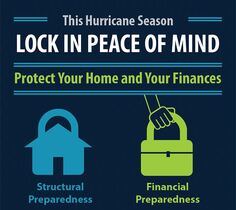
It’s hard to believe that the Atlantic hurricane season starts in less than 30 days. If you live in a hurricane-prone region, National Hurricane Preparedness Week (May 5-11) presents an excellent opportunity to kick-start your preparations.
 
Don’t wait until the National Weather Service issues a hurricane warning. Take proactive steps now to ensure that you are prepared well in advance.

The best time to prepare for a hurricane is before hurricane season begins on June 1. It is vital to understand your home's vulnerability to storm surge, flooding, and wind. Here is your checklist of things to do BEFORE hurricane season begins.
 
Additional resources covering What to do Before a Tropical Storm or Hurricane, are provided by the National Weather Service. They have multiple checklists and free resources to assist you as well as How to Prepare for Hurricane Season from the Insurance Information Institute.
These tips from Travelers prepare you for a hurricane and help prepare your home as well.
Click here for the full article
.
  • Prepare a survival kit
  • Plan your evacuation route
  • Build a content inventory
  • Secure all outdoor objects
  • Fill your emergency generator
  • Help avoid water damage
  • Monitor your trees
  • Roofs, doors, windows & skylights
  • Secure outdoor items
  • Strengthen your exterior structure
Hurricanes are some of the most devastating, and costly, natural disasters known to man. Travelers Insurance provides a Hurricane Survival Guide: Things to Do During and After the Storm.
 
The New Jersey Department of Health also provides Emergency Preparedness and Hurricane Readiness information which includes important information you need to know about generators and carbon monoxide poisoning.
This hurricane season insurance checklist can help you understand your coverage and whether it’s adequate to repair or rebuild your home, if necessary, and replace your belongings. Most importantly, know that we are here for you, and we are happy to review your policy with you to ensure that you are structurally and financially prepared. Call 201-796-1881.
Picture
0 Comments

Protect Your Home from flooding

4/3/2024

0 Comments

 
Picture
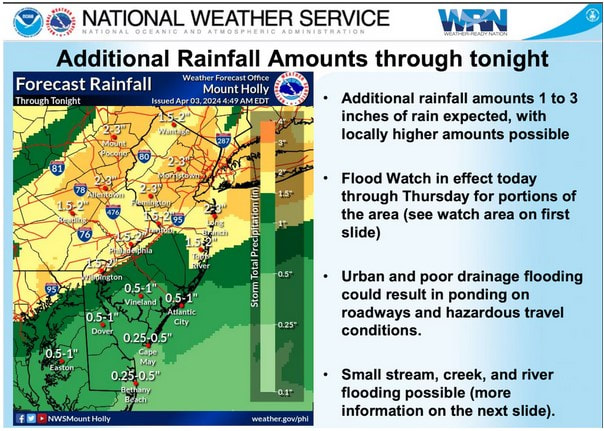
It’s been raining on and off — mostly on — in New Jersey since early Monday with seemingly no end in sight. There is a Flood Watch in effect today through Thursday for portions of the area.   The rest of Wednesday will be wet and windy. But the rain will eventually push away from our area.

As the saying goes, “April showers bring May flowers.”

This is the time of year when we need to be vigilant about potential flooding and protect our homes. 

3 Key Steps

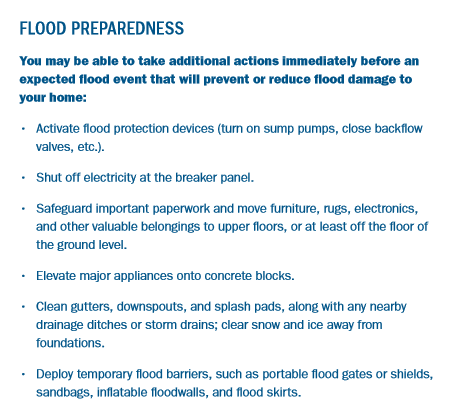
As you begin to think about which flood mitigation options might be the best for you and your home, consider these three key steps:
  1. Know Your Risk. Learn more details about your home’s level of flood risk, including the type of flood zone it is in.
  2. Insure Your Property. Even if your home is in a low or moderate risk flood zone, purchase a flood insurance policy is highly recommended. It provides you with financial protection from a flood event. Flood damage isn’t covered by standard homeowners’ insurance policies.
  3. Reduce Your Risk. Decide how to prepare your family and protect your home from flooding.
Picture
For additional tips and information, download the brochure from FEMA - Protect Your Home From Flooding.

Secure Your Protection Today

Insurance is one of the most critical items to consider when preparing for a flood. Remember, most flood insurance policies have a waiting period of 12 to 30 days, so don’t leave it to luck.

Reach out to us to review your flood policy and make sure you are protected. Call us at 201-796-1881.

Picture
0 Comments
<<Previous

    BLOG
    ​Leighton Annis

    At Suburban, we've been getting personal since 1956!

    Request A Quote
    View my profile on LinkedIn

    Archives

    November 2025
    August 2025
    July 2025
    June 2025
    May 2025
    March 2025
    February 2025
    December 2024
    November 2024
    October 2024
    September 2024
    August 2024
    June 2024
    May 2024
    April 2024
    March 2024
    February 2024
    December 2023
    November 2023
    October 2023
    September 2023
    August 2023
    July 2023
    June 2023
    May 2023
    April 2023
    March 2020
    February 2020
    December 2019
    October 2019
    August 2019
    July 2019
    May 2019
    April 2019
    March 2019
    January 2019
    December 2018
    November 2018
    September 2018
    August 2018
    May 2018
    April 2018
    March 2018
    January 2018
    December 2017
    November 2017
    October 2017
    August 2017
    July 2017
    June 2017
    May 2017
    April 2017
    March 2017
    February 2017
    January 2017
    December 2016
    November 2016
    October 2016

    Categories

    All
    Auto Discount Savings
    Auto Insurance
    Auto Insurance For Teens
    Auto Theft Prevention Tips
    Back To School Safety
    Boating Safety For Children
    Boating Safety Tips
    Boat Insurance
    Business Owners Policy (BOP)
    Car Insurance Discounts
    Cloud Hacks
    Cold Weather Essentials
    Computer Fraud
    COVID-19
    Cyber Crime Coverage
    Cyber Insurance
    Cyber Threats
    Data Breach
    Distracted Driving
    Driving Safety Tips
    Emergency Preparedness
    Factors For Buying A Car
    Fall Driving Tips
    Federal Flood Insurance Program
    Financial Stability
    Fire Prevention
    Fire Prevention Month
    Fire Prevention Week
    Fireworks Safety
    Flood Damage
    Flood Insurance
    Flood Preparedness
    Flood Protection
    Fog Dangers
    Frozen Pipes
    Hacks For Packing
    Handling A Car Accident
    Homebuyer Protection
    Home Escape Plans
    Homeowners Insurance
    Home Preparation Tips
    Home Prep Tips
    Home Safety
    How Car Insurance Rates Work
    Hurricane Checklist
    Hurricane Preparedness
    IIHS Top Safety Picks
    Improve Your Gas Mileage
    Insurance
    Insurance And Fire Prevention
    Insurance Carrier Comparisons
    Insurance Claims
    Insurance Claims Process
    Insurance Coverage
    Insurance Policies
    Insurance Quote
    Insurance Security
    Insurance Tips
    Jewelry Insurance
    Kitchen Safety
    Lower Insurance Costs
    Moving Tips
    National Flood Insurance Program
    Nationwide Insurance Increase
    New Jersey License Requirements
    New Jersey New Home Warranty Program
    Organize Your Move
    Policy Coverage For Storms
    Pool Barriers
    Pool Laws
    Pool Safety
    Power Outages
    Practice Safe Cooking
    Preparing To Move
    Preparing Your Home
    Preventing Frozen Pipes
    Property Damage
    Proposed Tariffs
    Protect Your Possessions
    Punxsutawney Phil
    Real ID
    Real ID New Jersey
    Recreational Vehicle Insurance
    Renter's Insurance
    Risk Of Dryer Fires
    Roaming Deer
    Safe Vehicles
    Selecting An Insurance Carrier
    Slippery Roads
    Small Business Insurance
    Smart Home Kits
    Smoke Alarms
    Special Event Insurance
    Tariffs Effect On Auto Market
    Teen Driving
    The Real ID Act
    Top Safely Picks 2024
    Travel
    Travelers Billing Relief
    Travelers Insurance
    Travel Insurance
    Umbrella Insurance
    Vacation
    Valuable Items Insurance
    Watercraft Insurance
    Wedding Insurance
    Wedding Ring Insurance
    Winterize Your Car
    Winterize Your Home
    Winter Survival Kit
    Winter Weather

    RSS Feed

Picture
Picture
Since 1956, Suburban Brokers Inc. is the original insurance agency providing personal, appropriate coverage for all of your insurance needs.
Serving New Jersey, New York and Pennsylvania
​ Se Habla Español
Read our Blog
Phone:  201-796-1881
Fax:       201-797-6689
6-16 Saddle River Road
P.O. Box 400
Fair Lawn, NJ 07410
Email: [email protected]

Picture
View our Privacy Policy
Select Language to translate website
Website by LMS Consulting